
You can tell dust mites and bed bugs apart by size, appearance, and signs. Dust mites are tiny, translucent, and invisible to the naked eye, living mainly in bedding and upholstery bed bugs malaysia. Bed bugs are larger, oval-shaped, and reddish-brown, hiding in mattress seams and near vents. Dust mites cause allergies; bed bugs leave itchy welts and blood spots. Inspection requires microscopic and visual checks. Understanding these details helps you identify infestations and explore precise control methods.

Differences in Appearance and Size
Although both dust mites and bed bugs are microscopic pests that can infest your living space, they differ markedly in appearance and size, which is essential for accurate identification and treatment. Dust mites exhibit a spherical, translucent microscopic morphology, measuring approximately 0.2 to 0.3 millimeters, often invisible to the naked eye. In contrast, bed bugs are larger, about 4 to 5 millimeters long, with an elongated, oval-shaped body. Their color variations range from light brown to reddish-brown igreenasia, depending on whether they have recently fed. Understanding these distinctions helps you accurately detect the pest type, guiding effective control methods that preserve your living freedom. Precise identification based on size and color variations guarantees you avoid misdiagnosis and apply targeted interventions efficiently.
Common Hiding Spots in Your Home
Both dust mites and bed bugs favor specific locations in your home that provide shelter, warmth, and access to food sources. Dust mites thrive in mattresses, bedding, and upholstered furniture, especially within curtain pleats where humidity remains stable. Bed bugs, however, prefer tight, concealed spaces near sleeping areas—mattress seams, box springs, and behind baseboards. They also frequently hide near floor vents, exploiting the warmth circulating through these channels. Understanding these preferred niches helps you target inspections effectively. Regularly check curtain pleats and floor vents for signs, as these spots often harbor infestations before they spread. By focusing on these precise locations, you gain control over your environment, reducing the risk of unnoticed proliferation of either pest and maintaining a healthier, freer living space.
Symptoms and Signs of Infestation
Frequently, the earliest indication of dust mite or bed bug infestation is subtle physical symptoms combined with specific environmental signs. If you experience unexplained seasonal allergies or persistent respiratory irritation, dust mites might be the cause, as their feces and body fragments act as allergens. Bed bug infestations, however, often manifest through itchy, red welts arranged in clusters or lines on your skin, typically appearing after sleeping. You might also notice small blood spots on your bedding or dark fecal stains. Unlike dust mites, bed bugs produce a distinct, musty odor in heavy infestations. Recognizing these symptoms early allows you to maintain control over your living environment and safeguard your health without unnecessary limitations on your lifestyle.
Methods for Identification and Inspection
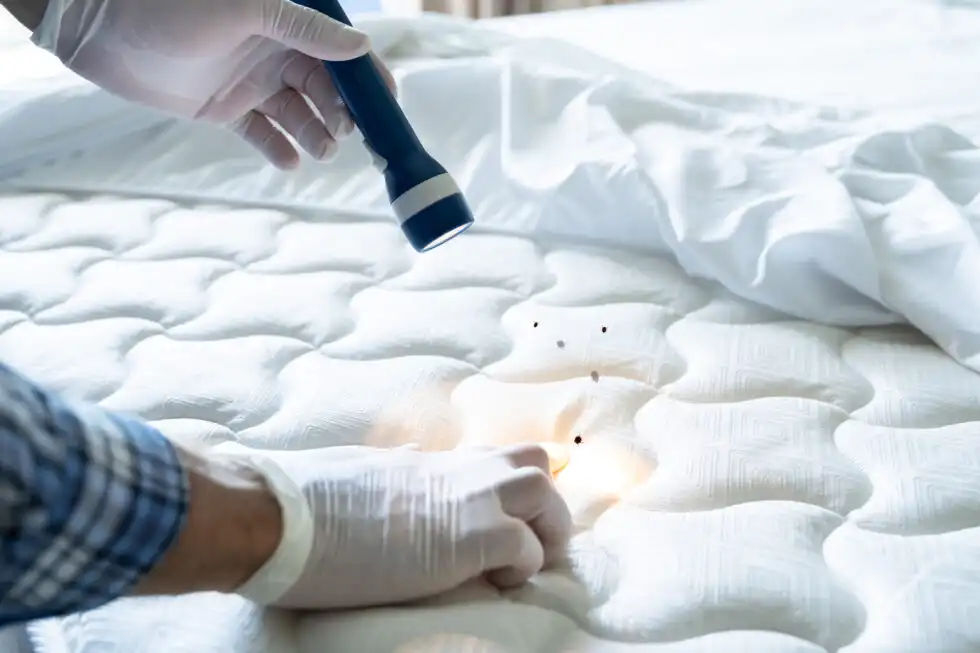
When you suspect an infestation, accurate identification is essential for effective treatment. Begin with a thorough visual inspection of bedding, furniture, and crevices. Bed bugs leave distinctive signs like blood spots and shed skins, while dust mites are invisible to the naked eye. To confirm dust mite presence, microscopic inspection of dust samples is necessary, revealing their tiny, arachnid bodies. Additionally, allergen testing can detect proteins specific to dust mites, providing quantitative data about their density in your environment. Combining these methods enables precise differentiation between dust mite and bed bug infestations. Implementing systematic inspection protocols not only clarifies the pest identity but also empowers you to choose the most appropriate action, maintaining your freedom from unwelcome intruders.
Effective Treatment and Prevention Strategies
Once you’ve accurately identified whether you’re dealing with dust mites or bed bugs, the next step is implementing targeted treatment and prevention strategies. For dust mites, focus on deep cleaning: wash bedding at high temperatures, vacuum mattresses with HEPA filters, and use allergen-proof covers. Controlling humidity below 50% is critical since dust mites thrive in moist environments. For bed bugs, professional extermination is often necessary, employing heat treatments or pesticides designed specifically for these pests. Regularly inspect and vacuum furniture, and reduce clutter to limit hiding spots. In both cases, maintaining low humidity and routine deep cleaning prevents reinfestation. By combining these precise methods, you regain control over your living space, ensuring freedom from these persistent pests through effective and sustainable practices.
Conclusion
Now that you know the key differences between dust mites and bed bugs—including appearance, hiding spots, and symptoms—you can accurately identify which pest you’re dealing with. Careful inspection and understanding signs will guide you toward the right treatment. Implementing targeted prevention strategies is vital to control and eliminate infestations effectively. Staying informed and proactive guarantees a healthier, pest-free home environment.