
AI-powered automation stands at the forefront of technological advancements, reshaping how industries operate and driving unprecedented levels of efficiency. The integration of AI and machine learning has unlocked a realm of possibilities, from autonomous decision-making to predictive analytics, setting the stage for a new era of innovation. As organizations harness the power of AI to streamline processes and optimize performance, the implications for businesses are vast and transformative sap business one price malaysia. But what does this mean for the future of work and the workforce? The impact of AI-powered automation is profound, and the implications are far-reaching, raising crucial questions about job displacement, skills evolution, and the ethical considerations surrounding this technological shift.
The Evolution of Automation
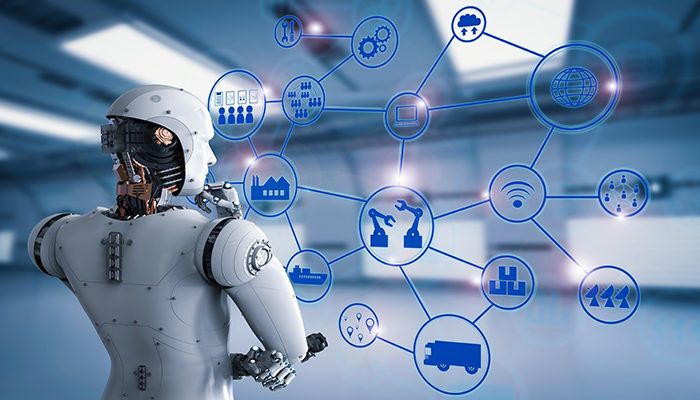
The progression of automation over the decades has been marked by a series of transformative advancements in technology and efficiency. From the introduction of mechanized processes in industrial settings to the utilization of robotics and artificial intelligence in modern-day operations, the evolution of automation has revolutionized the way tasks are accomplished.
Early automation systems focused on repetitive and labor-intensive tasks aspert, aiming to streamline production processes and improve overall productivity. As technology advanced, the integration of AI and machine learning algorithms enabled systems to adapt, learn, and make decisions autonomously, further enhancing operational capabilities.
Automation has not only increased efficiency but has also enabled organizations to optimize resource utilization, reduce human error, and enhance safety in various industries. The ability to automate routine tasks frees up human capital to focus on more strategic and creative endeavors, driving innovation and growth.
As automation continues to evolve, the possibilities for increased productivity and operational excellence are limitless, offering a pathway to a future where efficiency and freedom coexist harmoniously.
Enhancing Operational Efficiency
To enhance operational efficiency, businesses can streamline processes effectively by identifying and eliminating bottlenecks through AI-powered automation.
This allows for the optimization of resource utilization, ensuring that tasks are completed with maximum productivity and minimal waste.
Streamlining Processes Effectively
Enhancing operational efficiency through streamlining processes is a critical objective in leveraging AI-powered automation. By implementing AI algorithms and machine learning models, organizations can identify bottlenecks, automate repetitive tasks, and optimize workflows. Streamlining processes effectively leads to reduced operational costs, improved productivity, and enhanced decision-making capabilities.
AI-powered automation can analyze vast amounts of data in real-time, enabling businesses to make data-driven decisions promptly. Additionally, it enhances the accuracy and consistency of tasks, minimizing errors and rework. Through intelligent process automation, organizations can streamline their operations, allocate resources more efficiently, and stay agile in a constantly evolving business landscape.
Embracing AI technology to streamline processes is key to unlocking competitive advantages and driving sustainable growth.
Optimizing Resource Utilization
Optimizing resource utilization is a fundamental aspect of enhancing operational efficiency through AI-powered automation. By leveraging AI algorithms to analyze data and predict demand, organizations can allocate resources more effectively, reducing waste and maximizing productivity.
AI can dynamically adjust resource allocation based on real-time insights, ensuring that the right resources are available at the right time. Through automation, tasks such as inventory management, workforce scheduling, and equipment maintenance can be optimized to meet demand fluctuations efficiently.
This proactive approach not only streamlines operations but also improves overall performance and customer satisfaction. By fine-tuning the utilization of resources through AI, organizations can achieve greater operational efficiency and competitive advantage in today’s fast-paced business environment.
AI in Customer Experience
AI-driven technologies are reshaping the landscape of customer interactions, revolutionizing how businesses engage with their clientele. By leveraging artificial intelligence in customer experience, organizations can enhance personalization, streamline processes, and deliver proactive support. AI algorithms analyze vast amounts of customer data to predict behaviors and preferences accurately. This enables companies to offer tailored recommendations, anticipate needs, and provide a seamless customer journey across multiple touchpoints.
Chatbots powered by AI are increasingly used to provide instant responses to customer queries, improving response times and overall satisfaction. Machine learning algorithms further refine these interactions over time, continuously learning from customer feedback to optimize responses. Through sentiment analysis, AI can also gauge customer emotions, allowing businesses to address concerns promptly and empathetically.
Moreover, AI assists in automating routine tasks, freeing up human agents to focus on more complex customer issues that require a personal touch. Overall, integrating AI into customer experience strategies helps businesses foster stronger relationships, drive loyalty, and gain a competitive edge in today’s dynamic market.
Transforming Manufacturing Processes
The integration of AI in manufacturing processes promises to revolutionize the industry by enhancing production efficiency, optimizing quality control measures, and streamlining inventory management.
These advancements are poised to drive significant improvements in operational effectiveness, cost savings, and overall competitiveness for manufacturers.
Enhanced Production Efficiency
With the integration of advanced AI technologies, manufacturing processes are undergoing a profound transformation towards enhanced production efficiency.
AI-powered automation is revolutionizing the manufacturing industry by optimizing operations, reducing downtime, and enhancing overall productivity.
Through the utilization of AI algorithms and machine learning capabilities, manufacturers can analyze vast amounts of data in real-time to identify inefficiencies, streamline workflows, and predict maintenance needs before breakdowns occur.
This proactive approach minimizes disruptions, improves resource allocation, and ultimately leads to cost savings.
By harnessing the power of AI to automate routine tasks, manufacturers can focus on strategic decision-making and innovation, driving continuous improvement and competitiveness in the global market.
The era of enhanced production efficiency through AI is here, offering limitless possibilities for manufacturing optimization.
Quality Control Optimization
Optimizing quality control processes in manufacturing through cutting-edge technological advancements is essential for ensuring product excellence and customer satisfaction. By implementing AI-powered automation, manufacturers can enhance quality control by detecting defects with greater accuracy and efficiency.
AI algorithms can analyze vast amounts of data from production processes to identify patterns and anomalies, enabling real-time adjustments to ensure consistent product quality. Automated inspection systems equipped with AI can streamline the quality control process, reducing human error and increasing overall production efficiency.
Additionally, predictive maintenance powered by AI can preemptively address equipment issues, minimizing downtime and ensuring optimal performance. Embracing AI-driven quality control optimization not only elevates product standards but also fosters a competitive edge in the market.
Streamlined Inventory Management
Advancing beyond quality control optimization, the integration of AI-powered automation in manufacturing processes revolutionizes inventory management by streamlining operations and enhancing efficiency. By utilizing AI algorithms, manufacturers can predict demand fluctuations, optimize stock levels, and automate replenishment processes. This real-time data analysis allows for proactive decision-making, reducing stockouts and minimizing excess inventory.
AI automation also enables intelligent warehouse management, optimizing storage space and enhancing picking and packing processes. Through automated tracking and monitoring, businesses can achieve higher accuracy in inventory counts, reducing errors and improving overall productivity.
The streamlined inventory management facilitated by AI-powered automation not only saves time and resources but also ensures that manufacturing operations run smoothly and efficiently.
Optimizing Supply Chain Management
Enhancing efficiency in supply chain management through AI-powered automation is revolutionizing the industry. AI technologies are optimizing various aspects of the supply chain, from demand forecasting and inventory management to logistics and distribution. By leveraging machine learning algorithms, AI can analyze vast amounts of data to predict consumer demand more accurately, leading to optimized inventory levels and reduced stockouts.
Furthermore, AI enables real-time tracking of shipments, allowing for proactive issue resolution and improved delivery timelines. Predictive analytics helps in identifying potential bottlenecks in the supply chain, enabling companies to streamline operations and enhance overall performance. Autonomous vehicles and drones are also being integrated into supply chain processes, enabling faster and more efficient transportation of goods.
Impact on Financial Services
The integration of AI-powered automation in supply chain management has paved the way for significant transformations in the financial services sector as well. Financial institutions are leveraging AI technologies to streamline processes, enhance decision-making, and improve customer experiences.
AI automation is revolutionizing tasks such as fraud detection, risk assessment, investment analysis, and customer service in the financial industry. By analyzing vast amounts of data in real-time, AI systems can detect unusual patterns that may indicate fraudulent activities, thus bolstering security measures. Moreover, AI algorithms can assess risks more accurately by evaluating numerous variables swiftly, enabling better-informed decisions.
In terms of investment analysis, AI-powered automation can provide insights into market trends, optimize portfolios, and even execute trades autonomously. Additionally, virtual assistants and chatbots powered by AI enhance customer interactions by offering personalized recommendations and resolving queries promptly.
The integration of AI in financial services is reshaping the industry landscape, driving efficiency, accuracy, and innovation.
Implementing AI Automation Strategies
Implementing AI automation strategies involves orchestrating complex algorithms to optimize operational processes and drive organizational efficiency in various industries. By integrating AI technologies into business operations, companies can streamline workflows, reduce manual errors, and enhance decision-making processes. One key aspect of implementing AI automation strategies is identifying the specific tasks or processes that can benefit most from automation. This involves conducting a thorough analysis of existing workflows and determining where AI solutions can add the most value.
Moreover, successful implementation of AI automation strategies requires a strategic approach that aligns with the organization’s goals and objectives. It is essential to define clear KPIs and metrics to measure the effectiveness of AI automation solutions accurately. Additionally, ongoing monitoring and evaluation are crucial to ensure that the AI algorithms continue to perform optimally and deliver the desired outcomes.
Conclusion
In conclusion, AI-powered automation is revolutionizing industries by optimizing processes, enhancing efficiency, and transforming customer experiences.
From manufacturing to financial services, AI automation is reshaping operations and delivering value in today’s dynamic business landscape.
By integrating AI and machine learning, organizations can achieve cost reductions, improved productivity, and enhanced accuracy.
The future of automation lies in leveraging AI technologies to drive innovation and strategic endeavors across various sectors.