
In the delicate period following childbirth, prioritizing postpartum health is crucial for both physical and emotional well-being.
This article explores the importance of postpartum self-care goodmorningday, providing insights into physical healing techniques, mental health support, nurturing nutrition tips, and the significance of building a strong support system during this transformative phase.
By nurturing oneself after childbirth, individuals can enhance their recovery, promote overall wellness, and embrace the journey of motherhood with confidence and resilience.
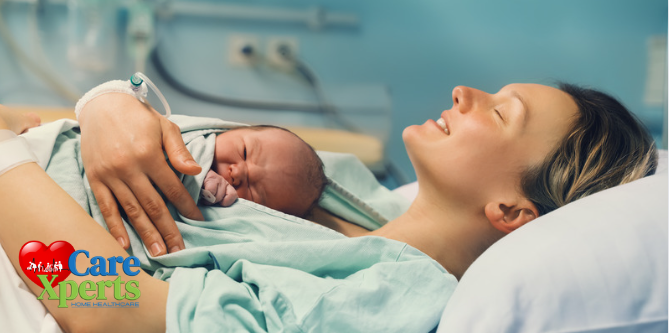
Importance of Postpartum Self-Care
During the postpartum period, prioritizing self-care is essential for the physical and emotional well-being of new mothers. This phase of motherhood can be physically demanding, emotionally challenging, and mentally exhausting. Taking time to care for oneself is not a luxury but a necessity.
Simple acts like getting adequate rest, nourishing the body with healthy food, staying hydrated, and engaging in gentle exercises can significantly impact a mother’s recovery and overall mood. Additionally, seeking support from loved ones, joining postpartum support groups, and communicating openly about feelings are crucial aspects of self-care.
Physical Healing Techniques
Prioritizing physical healing techniques in the postpartum period is crucial for new mothers to promote recovery and overall well-being. Engaging in gentle exercises like postpartum yoga or walking can help rebuild strength and stamina gradually. Additionally, practicing pelvic floor exercises, such as Kegels, aids in toning the pelvic muscles weakened during childbirth.
Incorporating nutritious meals rich in vitamins, minerals, and proteins supports the body’s healing process. Adequate hydration is also essential for physical recovery. Seeking regular check-ups with healthcare providers ensures that any postpartum physical concerns are addressed promptly.
Embracing self-care practices like adequate rest and relaxation further accelerates the healing journey for new mothers, fostering a healthy postpartum experience.
Mental Health Support
To effectively address mental health needs postpartum, new mothers should consider seeking professional guidance and support.
The adjustment to motherhood can bring about a range of emotions, from joy and fulfillment to stress and anxiety. It’s essential for new mothers to prioritize their mental well-being during this significant life transition.
Seeking therapy or counseling can provide a safe space to express feelings, manage stress, and learn coping strategies. Additionally, joining support groups with other new mothers can offer a sense of community and understanding.
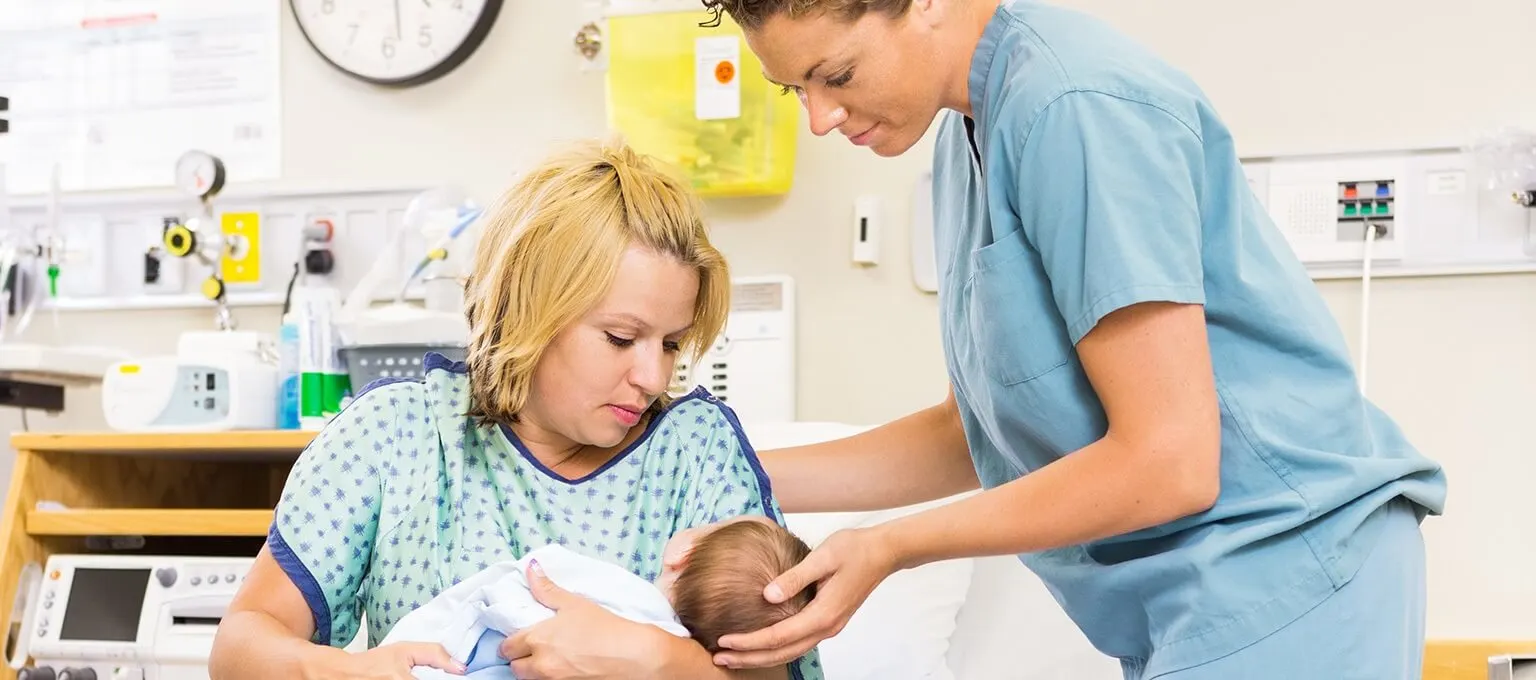
Nurturing Nutrition Tips
For new mothers, maintaining a balanced and nourishing diet is essential for postpartum recovery and overall well-being. Focus on nutrient-dense foods like fruits, vegetables, whole grains, lean proteins, and healthy fats to support your body’s healing process.
Incorporate foods rich in iron, calcium, and omega-3 fatty acids to replenish nutrient stores depleted during pregnancy and childbirth. Stay hydrated by drinking plenty of water throughout the day to aid in milk production and promote optimal functioning of bodily systems.
Avoid highly processed foods, sugary snacks, and excessive caffeine. Listen to your body’s hunger and fullness cues, and eat regular meals and snacks to sustain energy levels. Consulting with a healthcare provider or a nutritionist can provide personalized guidance for your specific dietary needs during this crucial postpartum period.
Building a Postpartum Support System
Creating a reliable and compassionate postpartum support system is crucial for new mothers as they navigate the challenges and joys of the early postpartum period.
This support network can include partners, family members, friends, healthcare providers, and postpartum doulas who offer emotional, physical, and practical assistance.
Communicating openly with loved ones about needs and boundaries is essential in establishing a supportive environment.
Online communities and local support groups can also provide valuable resources and connections for new mothers seeking understanding and guidance.
Remember, it’s okay to ask for help and prioritize self-care during this transformative time.
Building a strong postpartum support system can significantly impact a mother’s well-being and adjustment to her new role.
Conclusion
In conclusion, postpartum health is a crucial aspect of the childbirth journey that requires attention to physical healing, mental health, nutrition, and building a support system.
By prioritizing self-care and seeking proper resources, new mothers can nurture themselves after childbirth and promote overall well-being.
It is essential to recognize the importance of postpartum care in order to ensure a healthy recovery and adjustment to motherhood.