
Discover the world of cat cheese, a delectable treat that has gained popularity among feline enthusiasts. This article delves into the origins of cat cheese, its nutritional benefits for our beloved companions dog treats, and a guide to popular brands.
Learn how to safely introduce this special treat to your cat and explore essential safety tips.
Delve into the realm of cat cheese and unlock a new way to pamper your furry friend.
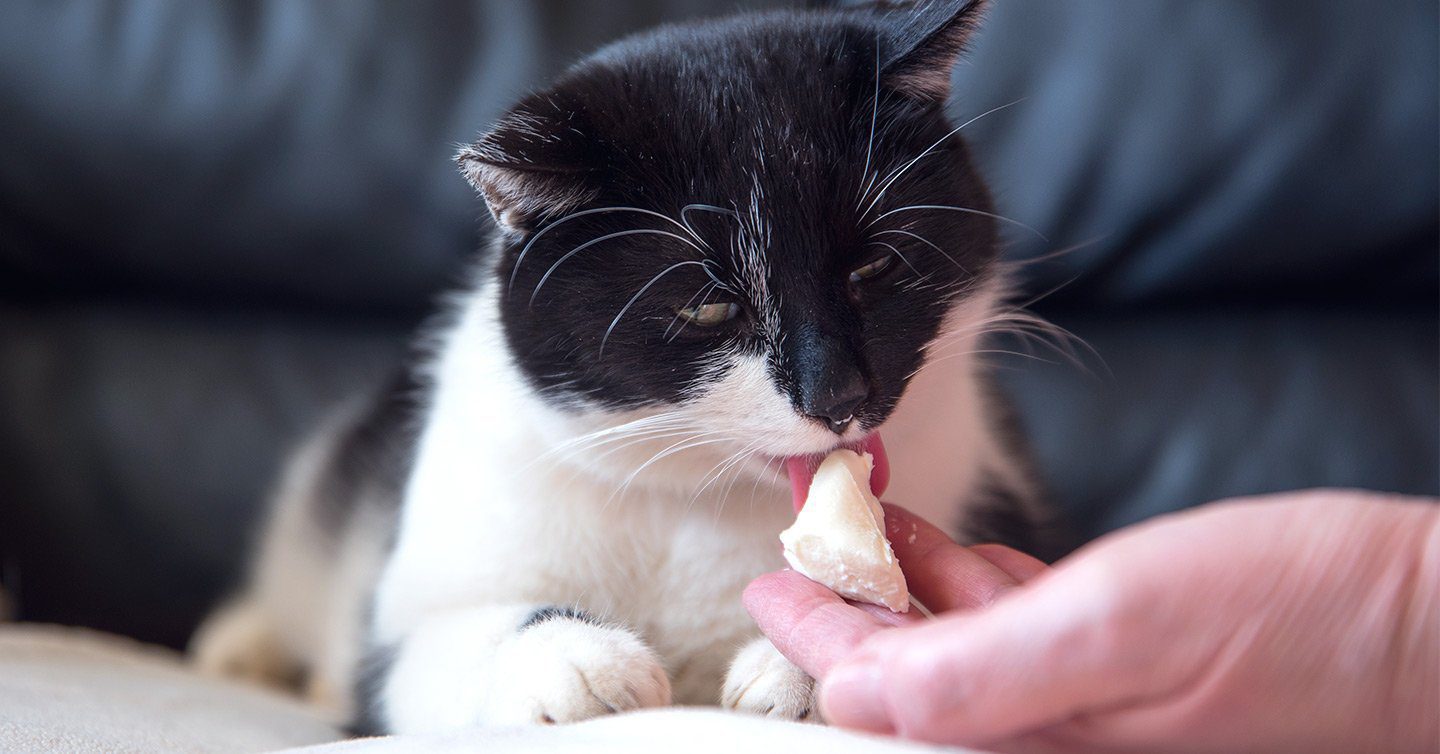
The Origins of Cat Cheese
The Origins of Cat Cheese can be traced back to ancient civilizations where the practice of fermenting milk was first observed. In these early societies, such as those in the Fertile Crescent and Central Asia, people began to experiment with preserving dairy through fermentation pet universe nourish. This process not only extended the shelf life of milk but also resulted in unique flavors and textures. Over time, these civilizations refined their techniques, eventually leading to the development of what we now know as cheese.
The art of making cheese spread across the globe, adapting to local ingredients and traditions. In some regions, such as Europe, cheese production became a highly specialized craft, with different varieties being created to suit diverse palates. The introduction of cheese to different parts of the world played a significant role in shaping culinary traditions and trade routes.
Today, the legacy of these ancient cheesemakers lives on, with countless varieties of cheese being enjoyed worldwide. Whether it’s a creamy brie, a tangy cheddar, or even the unique delicacy of cat cheese, this ancient practice continues to bring delight and flavor to those who appreciate the freedom of culinary exploration.
Nutritional Benefits for Felines
Having explored the origins of cat cheese, how exactly does this unique dairy product offer nutritional benefits for felines?
Cat cheese, being a dairy product, provides several essential nutrients that are beneficial for cats.
Firstly, cat cheese is a good source of protein, which is crucial for muscle growth and repair in felines. Protein also aids in maintaining a healthy coat and supporting their overall immune system.
Additionally, cat cheese contains calcium, which is vital for strong bones and teeth in cats. This mineral is particularly important for kittens and senior cats to ensure proper bone development and maintenance.
Moreover, cat cheese can be a source of healthy fats that provide energy for cats and support various bodily functions. However, it is important to note that cat cheese should be given in moderation, as some cats may be lactose intolerant.
Popular Cat Cheese Brands
Several well-known brands offer cat cheese options for feline companions. One of the popular choices among cat owners is “Feline Favourites.” This brand provides a variety of cat cheese products that are specially formulated to meet the dietary needs of cats.
Another well-received brand is “Purrfect Palate,” known for its high-quality ingredients and appealing flavors that cats love. Additionally, “Whisker Delights” has gained a strong following for its lactose-free cat cheese options, catering to cats with sensitivities.
For those seeking organic options, “Meow Meadows” offers a range of organic cat cheese products made from locally sourced ingredients. “Paws and Whiskers” is another brand that focuses on natural and grain-free cat cheese varieties, appealing to health-conscious cat owners.
Lastly, “Kitty Kraft” is a brand that emphasizes artisanal cat cheese made in small batches for optimal quality and taste.
With these popular cat cheese brands available in the market, cat owners have a diverse selection to choose from to treat their feline friends to a delicious and nutritious snack.
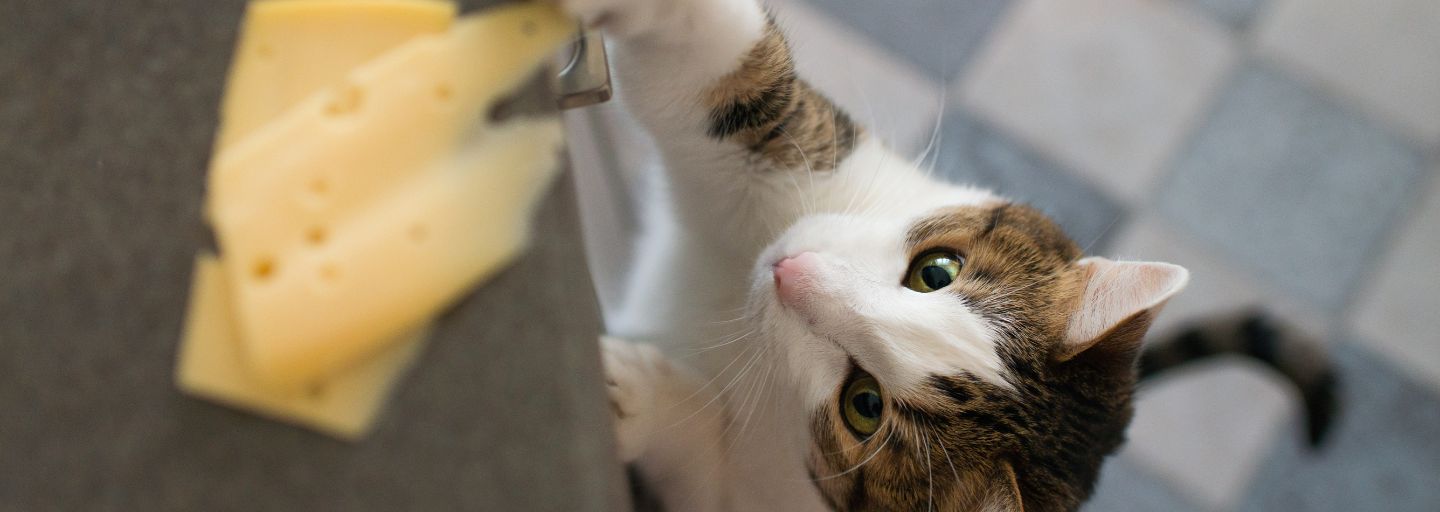
How to Introduce Cat Cheese
Introducing Cat Cheese to your feline companion requires patience and gradual exposure. Begin by offering small amounts of cheese as an occasional treat, allowing your cat to sniff and taste it at their own pace. Some cats may show immediate interest, while others might be more hesitant. Respect your cat’s preferences and don’t force them to eat the cheese if they are not interested initially.
It’s essential to monitor your cat for any signs of lactose intolerance or digestive issues after consuming cheese.
To further encourage your cat to try cheese, consider incorporating it into their mealtime routine by mixing small bits with their regular food. This gradual introduction can help your cat associate the cheese with positive experiences and increase their acceptance of it over time. Remember that moderation is key, as cheese should not replace a balanced feline diet but rather serve as an occasional treat.
Cat Cheese Safety Tips
To ensure the well-being of your feline companion, provide a moderate amount of cheese and closely monitor for any adverse reactions. While many cats enjoy the occasional taste of cheese, it’s essential to follow some safety tips to prevent any potential health issues.
Firstly, moderation is key. Cheese should only be given as an occasional treat and not as a regular part of your cat’s diet. Too much cheese can lead to digestive upset or weight gain. Additionally, some cats may be lactose intolerant, so it’s crucial to observe your cat for any signs of gastrointestinal distress after consuming cheese.
When offering cheese to your cat, opt for low-fat varieties and avoid any cheese that contains additives like garlic or onion, as these can be toxic to cats. Always cut the cheese into small, bite-sized pieces to prevent choking hazards. Lastly, if your cat has any underlying health conditions, such as pancreatitis or obesity, consult with your veterinarian before incorporating cheese into their diet.
Conclusion
In conclusion, cat cheese has become a popular treat for felines due to its origins as a dairy product and nutritional benefits. Various brands offer cat cheese options for pet owners to choose from.
When introducing cat cheese to your feline companion, it is important to follow safety tips to ensure their well-being. Overall, cat cheese can be a tasty and enjoyable snack for your cat when given in moderation.