
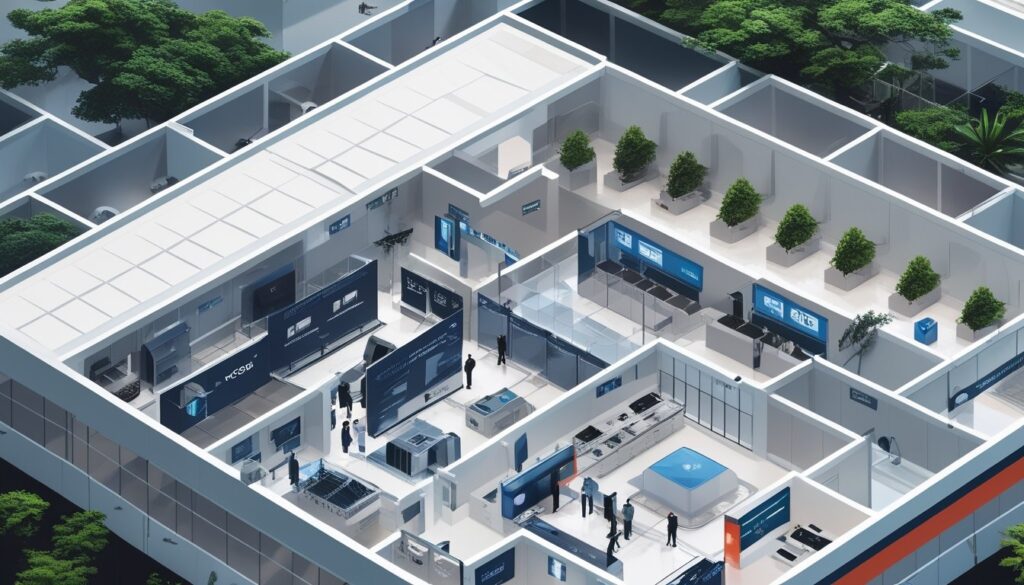
What Defense Event Design Really Means
Defense event design is the art of turning a serious, high-stakes gathering into an experience that is clear, secure, and professional without making it feel like a military drill in a bad suit. It covers everything from the layout of booths and briefing areas to visitor flow, branding, stage planning, lighting, and the subtle but important choreography of safety and access control.
At its best, defense event design supports the purpose of the event: showcasing capability, building trust, enabling business conversations, and making sure the right people reach the right places at the right time. In a sector where precision matters, the design has to work harder than the decor. It must guide, reassure, and impress, all while keeping the operation smooth.
How to Plan a Defense Event That Works
A strong plan starts with the event objective. Is the goal to launch a product, host a government briefing, support industry networking, or stage a closed-door demo? Once the purpose is clear, the design can follow suit. A trade exhibition will need different zoning from a protocol-heavy summit, and both will need a different rhythm from a live capability demonstration.
From there, the organiser should map the attendee journey. Guests should know where to register, where to wait, where to move next, and where to ask for help. In defense event design, signage is not decorative fluff; it is navigation, crowd control, and brand presentation rolled into one. If the wayfinding is confusing, even the most impressive display can feel like a maze with excellent lighting.
Set the space by function
The venue should be divided according to what each area needs to do. Reception zones, meeting pods, media corners, demonstration areas, VIP spaces, and secure back-of-house routes all have different requirements. When these functions are separated properly, the event feels polished and easier to manage.
Good zoning also reduces friction. Visitors should not be cutting through operational areas, and presenters should not be dodging foot traffic like they are in a sprint. A functional floor plan is one of the simplest ways to make the whole event feel more controlled and more credible.
Build in flexibility early
Defense events often involve multiple stakeholders, changing briefs, and last-minute adjustments. That means the design should allow for some flexibility. Modular booths, movable partitions, adaptable screens, and scalable seating layouts can save the day when the guest list shifts or a demo gets upgraded from “maybe” to “absolutely yes.”
Flexibility is not a luxury. It is insurance against surprises, and defense events tend to have plenty of those.
Design Elements That Make the Event Stand Out
Visual identity matters, but it should remain disciplined. The best defense event design uses branding with restraint: strong colours, clean typography, high-quality materials, and visual cues that communicate capability rather than clutter. The aim is to look authoritative, not noisy. Nobody ever trusted a mission-critical environment because there were too many gradients.
Lighting, sound, and screen placement also play a major role. Brightness should support product visibility and presentations without causing glare. Audio should be crisp enough for speeches and briefings, but not so aggressive that attendees start feeling they have joined a rock concert by accident. When AV is handled well, the event feels competent and calm.
Use design to support credibility
Defense audiences are usually discerning. They notice details, and often the smaller details say the most. Finishes should look robust, furniture should feel purposeful, and display setups should match the seriousness of the subject matter. Clean cable management, consistent signage, and neatly integrated screens may not win awards, but they do win confidence.
Photography and content screens should also be chosen carefully. Real-world imagery, technical visuals, and concise messaging usually communicate better than vague slogans. The design should help the audience understand what is being offered without needing a translator and three cups of coffee.
Keep accessibility and comfort in view
Practical comfort matters more than many planners expect. Clear walkways, enough seating, accessible routes, and comfortable waiting areas all improve the experience. If guests are spending half the event looking for a chair or a toilet sign, the design has failed at a very basic level.
Accessibility should be treated as part of the design, not an afterthought. It helps the event feel inclusive, organised, and professionally executed, which is exactly the kind of impression a defense-focused audience tends to respect.
Common Challenges and How to Solve Them
One of the biggest challenges in defense event design is balancing openness with control. Events need to feel welcoming, but not random. This is especially tricky when there are different audience groups, sensitive displays, or restricted areas. The solution is layered access: open public zones, semi-private meeting spaces, and secure areas that are clearly separated but still easy to reach for authorised guests.
Another common issue is overcomplication. Some events try to say too much in every square metre, which usually results in visual overload. The better approach is to prioritise the message. Each area should have one main job. If a space is meant for product demo, let the demo lead. If it is for executive networking, let the layout support conversation instead of shouting over it. Related source: defense booth design.
Manage schedules without chaos
Defense events often run on tight timing, with presentations, briefings, and VIP movements stacked back-to-back. A detailed run sheet is essential, but so is designing the venue to absorb delays gracefully. Buffer zones, holding areas, and clear backstage routes can prevent small delays from turning into a domino effect.
Staff briefings are equally important. Everyone from the registration team to the AV crew should know the event flow, escalation contact, and contingency steps. When the team understands the plan, the design works the way it should: quietly and efficiently.
Prepare for security and compliance requirements
Security planning must be built into the event from the start. That includes access checkpoints, badge verification, controlled entry points, and coordination with venue security or relevant authorities. In a defense environment, security is not a side note. It is part of the floor plan.
Compliance can also affect signage, storage, equipment handling, and guest movement. A good event designer will align creative decisions with operational requirements so that the event remains both impressive and responsible. That is the sweet spot: polished enough to impress, structured enough to protect.
A Simple Checklist for Better Defense Event Design
For organisers who want a straightforward way to stay on track, a practical checklist helps keep the project grounded. Start with the event objective, then confirm audience groups, security levels, venue constraints, and technical needs. After that, shape the floor plan around movement, visibility, and access.
Then review the experience from the attendee’s point of view. Is the journey clear? Are the key messages visible? Does the environment feel professional and calm? If the answer is yes, the design is doing its job. If not, it is time to simplify, refine, and remove anything that only exists because someone said, “Let’s add one more feature.”
In defense event design, the strongest solution is usually the one that looks effortless but is carefully engineered behind the scenes. That is the real magic: making complexity feel composed.