Shaping the Future of Materials Science: Universal Testing Machine Applications
The intricate world of materials science stands on the cusp of transformation, primarily driven by the paramount role of Universal Testing Machines (UTMs) in unraveling the mysteries of material properties. These sophisticated apparatuses have revolutionized the precision and accuracy with which we understand and analyze the behavior of various materials. By delving into the realm of tensile strength evaluation universal testing machine, flexural strength analysis, impact testing applications, and hardness testing techniques, UTMs offer a glimpse into the core of material integrity. However, the true allure lies in the potential future innovations that promise to reshape the landscape of materials testing, paving the way for unprecedented advancements.
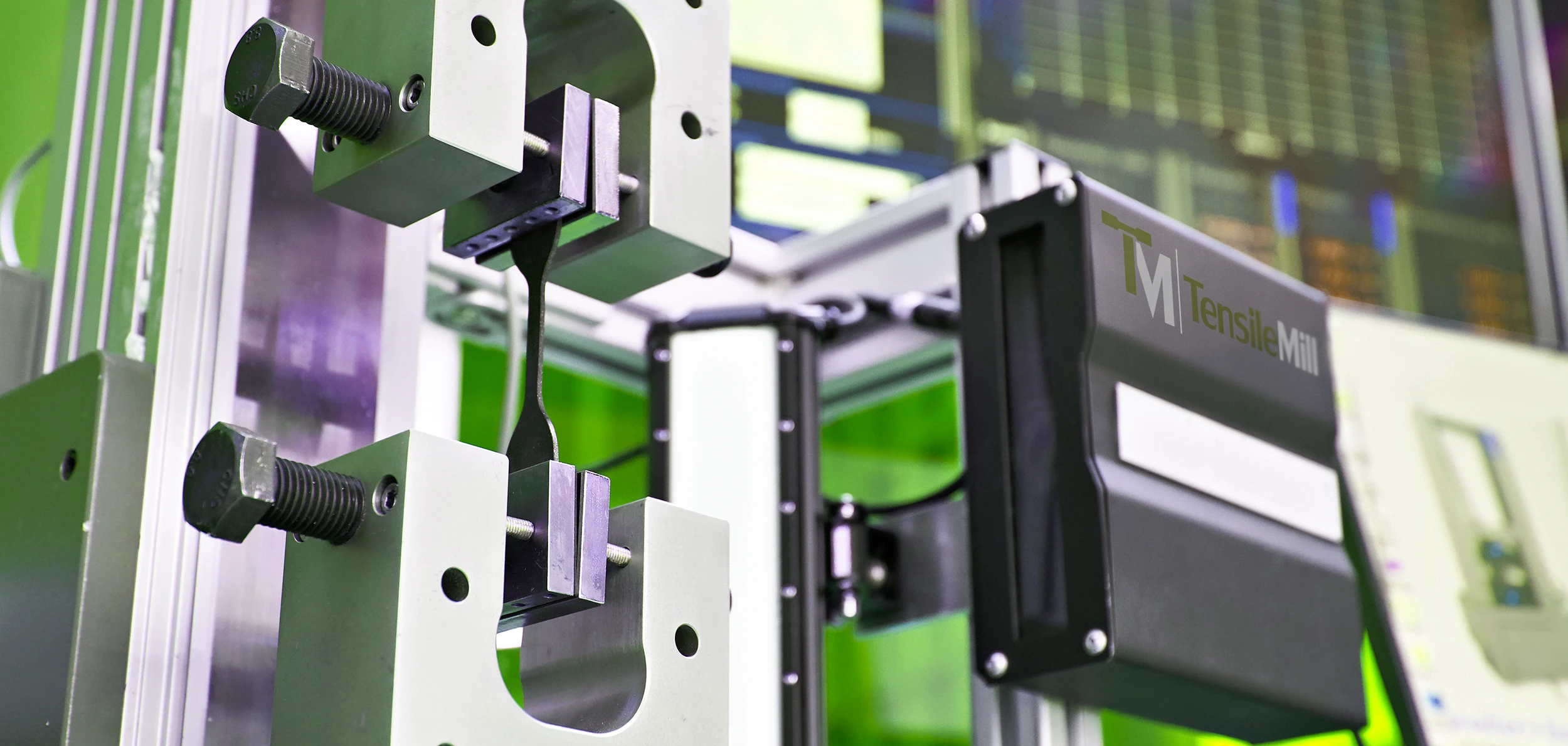
Importance of Universal Testing Machines
Universal Testing Machines play a critical role in various industries by accurately assessing the mechanical properties of materials. These machines are essential for quality control, research, and development processes, providing precise data on the behavior of materials under different conditions. By subjecting samples to controlled stress, Universal Testing Machines can measure parameters such as tensile strength, compression strength, elasticity, and more.
The importance of Universal Testing Machines lies in their ability to ensure the safety and reliability of materials used in a wide range of applications. Industries such as aerospace NL TEST, automotive, construction, and manufacturing rely on these machines to determine the durability and performance of materials before integrating them into final products. This helps to prevent potential failures, ensure compliance with industry standards, and optimize the design and production processes.
Tensile Strength Evaluation
Tensile strength evaluation involves the fundamental aspects of tensile testing. This includes analyzing how materials respond to applied forces. By examining material behavior under tension, engineers can gain insights into the mechanical properties of substances.
These insights are crucial for understanding how materials perform in real-world applications, guiding the development of safer and more reliable products.
Tensile Testing Basics
Conducting a tensile test involves subjecting a material to a controlled pulling force to measure its mechanical properties. The test helps determine key characteristics such as tensile strength, yield strength, and elongation at failure.
Tensile strength is the maximum stress a material can withstand while being stretched or pulled before breaking. Yield strength is the stress at which a material begins to deform plastically. Elongation at failure measures the amount a material can stretch before breaking.
These parameters are crucial for understanding how a material will perform under tension, aiding in material selection and design considerations. Tensile testing provides valuable insights into a material’s behavior under stress, guiding engineers in developing reliable and durable products.
Material Behavior Analysis
When evaluating material behavior, particularly in terms of tensile strength, the focus is on understanding how a material responds to applied pulling forces and the resulting mechanical properties measured. Tensile strength evaluation involves subjecting a material to gradually increasing tensile forces until it reaches its breaking point.
By analyzing the stress-strain curve generated during this process, engineers can determine crucial material properties such as ultimate tensile strength, yield strength, and elastic modulus. This data is essential for designing structures and components that can withstand specific loads without failure.
The tensile strength evaluation provides valuable insights into a material’s performance under tension, allowing for the optimization of material selection and design in various industries.
Real-World Applications
In the realm of material science and engineering, the assessment of tensile strength through real-world applications plays a pivotal role in ensuring the structural integrity and reliability of various components and products. Tensile strength evaluation involves subjecting materials to controlled tension until they reach the point of fracture, allowing engineers to determine the maximum load a material can withstand before breaking.
This data is crucial for designing structures like bridges, aircraft, and pipelines, where knowledge of tensile strength helps prevent catastrophic failures. Universal Testing Machines (UTMs) are instrumental in accurately measuring tensile strength, providing insights that drive advancements in material science.
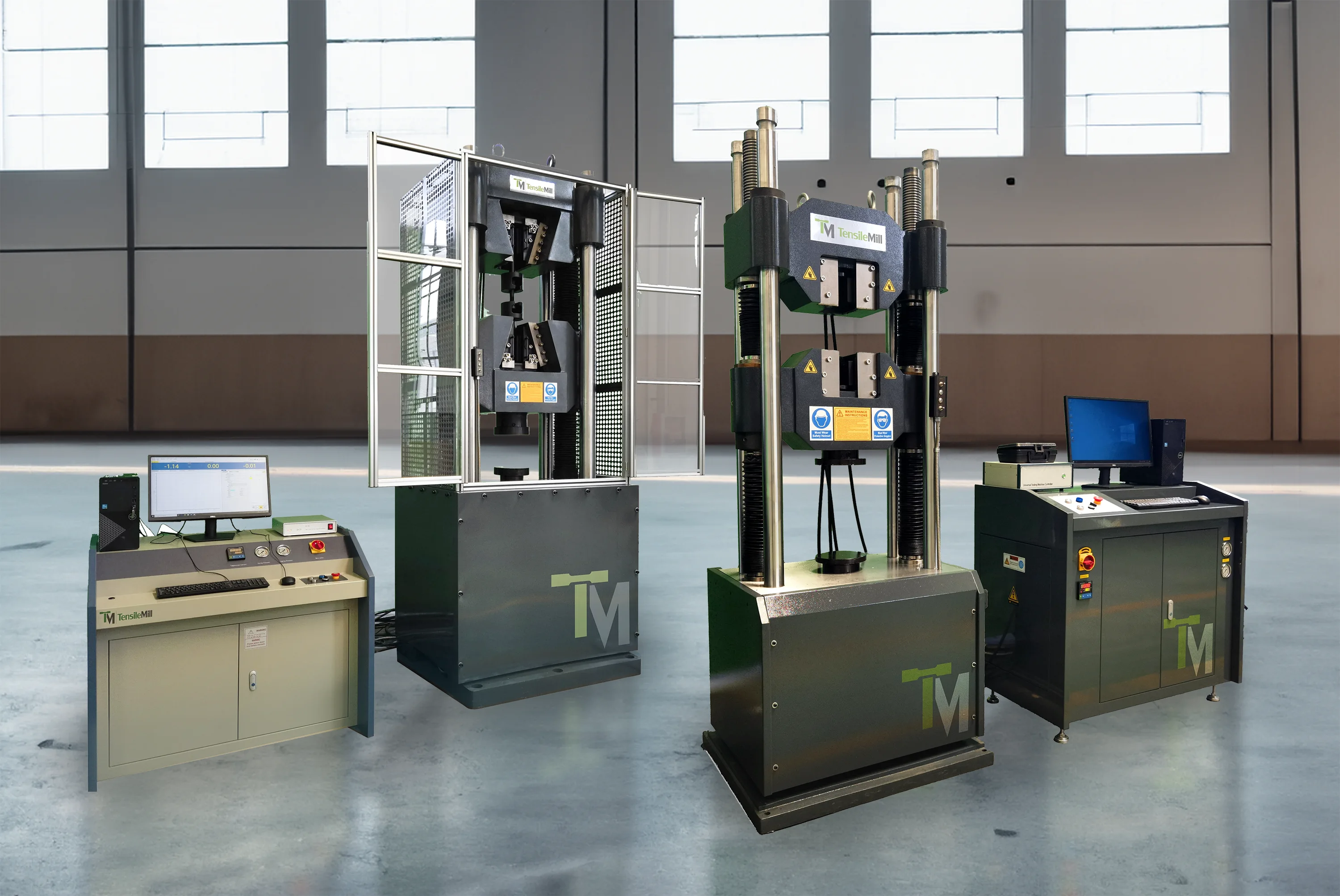
Flexural Strength Analysis
Flexural strength analysis provides valuable insights into a material’s ability to withstand bending forces, making it an essential aspect of material testing.
By conducting bend tests, engineers can assess the durability and structural integrity of various materials under different loading conditions.
Understanding the flexural properties of a material is crucial for ensuring its performance and reliability in real-world applications.
Bend Test Benefits
Analyzing the bend test benefits provides valuable insights into the flexural strength of materials under various loading conditions. By subjecting a material sample to a bending force, engineers can assess its resistance to deformation and cracking, crucial for applications where materials undergo bending stresses.
The bend test helps determine the maximum amount of stress a material can withstand before breaking, aiding in material selection for products requiring high durability. Moreover, this test allows for the evaluation of material homogeneity and quality, as any inconsistencies in composition or defects can lead to varying flexural strengths.
Understanding these benefits is essential for optimizing material performance and ensuring structural integrity in diverse industries such as construction, aerospace, and automotive.
Material Durability Assessment
A comprehensive evaluation of material durability involves conducting a detailed analysis of flexural strength to assess the ability of materials to withstand bending forces.
Flexural strength analysis is crucial in determining the structural integrity and performance of materials under various loading conditions.
By subjecting specimens to bending forces, engineers can measure the maximum stress a material can withstand before it fractures. This information is vital for designing components that need to resist bending or flexural stresses in real-world applications.
Understanding the flexural strength of materials helps in predicting their behavior and durability, ensuring that they can withstand the demands of their intended use.
Flexural Properties Importance
An in-depth examination of the importance of flexural properties lies in the critical role they play in determining the structural resilience and performance capabilities of materials subjected to bending forces.
Flexural strength analysis is crucial as it assesses a material’s ability to withstand bending without breaking. This property is especially vital in applications where materials experience bending loads, such as beams, panels, and bridges.
Understanding the flexural properties of a material allows engineers and researchers to predict its behavior under bending stress, leading to the development of more durable and reliable structures.
Impact Testing Applications
Impact testing applications demonstrate the resilience and durability of materials under sudden force or shock. This type of testing is crucial in assessing how a material will respond to sudden impacts, such as collisions or drops, in real-world scenarios.
By subjecting materials to controlled impact forces, engineers can evaluate the energy absorbed before fracture, the toughness of the material, and its ability to withstand sudden loading. Impact testing can help in determining the suitability of materials for various applications, from automotive components to protective gear. It is particularly important in industries where safety is paramount, ensuring that materials can withstand unexpected impacts without catastrophic failure.
Different types of impact tests, such as Charpy and Izod tests, provide valuable insights into a material’s behavior under dynamic loading conditions. Overall, impact testing plays a crucial role in ensuring the reliability and safety of materials in diverse applications.
Hardness Testing Techniques
Demonstrating the resistance of materials to penetration or indentation, hardness testing techniques provide valuable insight into the material’s ability to withstand localized loading conditions. Hardness testing is crucial in various industries, including manufacturing, construction, and engineering, where the durability and reliability of materials are paramount. There are several common methods employed for hardness testing, such as Rockwell, Brinell, Vickers, and Knoop hardness tests, each offering specific advantages based on the material properties being evaluated.
The Rockwell hardness test measures the depth of penetration under specific loads, providing a quick and straightforward assessment of hardness. In contrast, the Brinell test calculates hardness based on the diameter of the indentation left by a hardened steel ball. Vickers and Knoop tests are ideal for measuring very hard materials with precision, using pyramidal-shaped diamond indenters.
Fatigue Testing Advancements
Fatigue testing advancements play a critical role in evaluating the endurance and durability of materials under cyclic loading conditions. By subjecting materials to repeated stress cycles, fatigue testing helps determine how they will perform over time, crucial for industries like aerospace, automotive, and manufacturing.
Advancements in this field have led to more sophisticated testing techniques, such as rotating bending fatigue tests, resonance fatigue tests, and ultrasonic fatigue tests. These methods allow for a more accurate assessment of a material’s fatigue strength, fatigue life, and crack propagation behavior.
Modern fatigue testing machines are equipped with advanced features like servo-hydraulic systems, high-speed data acquisition, and automated testing capabilities. These enhancements not only improve the accuracy and reliability of fatigue tests but also increase testing efficiency. Additionally, the integration of computer simulation software enables researchers to predict fatigue behavior and optimize materials before physical testing, saving time and resources.
Future Innovations in Materials Testing
Materials testing is on the brink of a transformative era with upcoming innovations poised to revolutionize the field. One of the key areas of focus for future advancements in materials testing is the integration of artificial intelligence (AI) and machine learning algorithms. These technologies have the potential to enhance the efficiency and accuracy of testing processes by enabling predictive modeling, real-time data analysis, and automated decision-making.
Additionally, the development of advanced sensor technologies promises to provide more detailed and precise data during testing, allowing for a deeper understanding of material behavior under various conditions.
Furthermore, the integration of robotics and automation into materials testing procedures is expected to streamline testing workflows, reduce human error, and increase the throughput of experiments. This automation not only improves the reliability of test results but also frees up researchers to focus on more complex analyses and research tasks.
Conclusion
In conclusion, Universal Testing Machines play a critical role in shaping the future of materials science through their versatile applications in evaluating material behavior.
From determining tensile and flexural strength to conducting impact and hardness tests, UTMs ensure the safety, reliability, and durability of materials in various industries.
With ongoing advancements in AI, sensor technologies, and automation, UTMs are driving innovation and enhancing the efficiency of material testing processes for a sustainable and progressive future.
…