
When it comes to pet grooming, you may think it’s just about keeping your pet looking neat and tidy. However, the benefits go far beyond aesthetics pet shop near me open now. From maintaining a healthy coat to fostering a stronger bond with your furry companion, pet grooming plays a crucial role in their overall well-being. But there’s more to uncover about this essential practice that goes beyond the surface.
Benefits of Pet Grooming
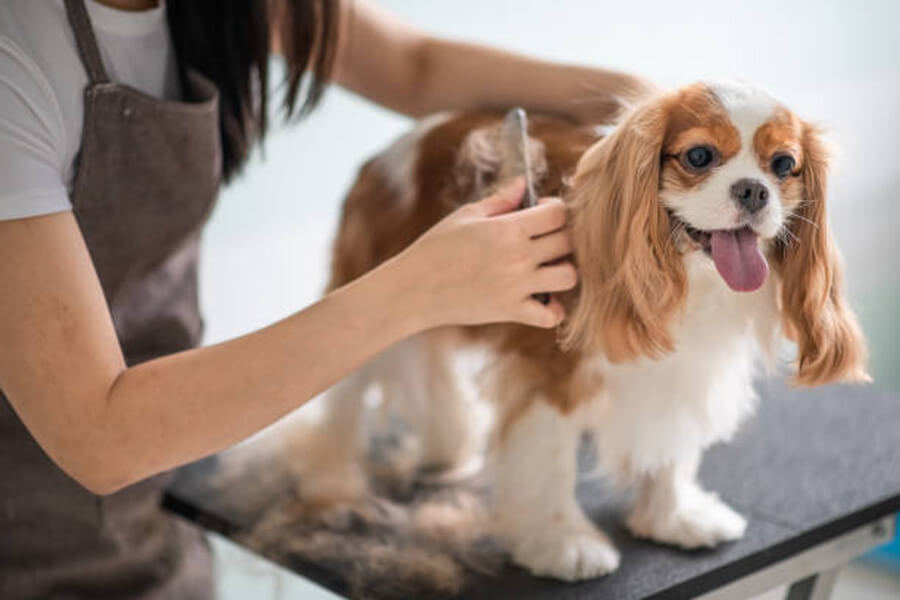
When grooming your pet regularly, you can ensure their coat remains healthy and free from mats and tangles. This process helps in distributing natural oils, keeping the skin moisturized and reducing the risk of irritation. Regular grooming also allows you to inspect your pet’s skin for any abnormalities such as lumps, bumps, or parasites, enabling early detection of potential health issues. By maintaining a grooming routine, you establish a bond with your pet, creating a sense of trust and comfort between the two of you.
Furthermore, grooming your pet helps to decrease shedding, keeping your home cleaner and reducing allergies. It also promotes good circulation and massages the skin, which is beneficial for your pet’s overall well-being. Additionally, regular grooming sessions provide an opportunity for you to check your pet’s ears, eyes, teeth, and nails, ensuring they’re in good condition. By incorporating grooming into your routine, you not only enhance your pet’s physical health but also strengthen your relationship with them.
Essential Grooming Tools
To properly groom your pet, having the right tools is key to maintaining their health and appearance. Essential grooming tools include a high-quality brush suitable for your pet’s coat type. For long-haired breeds, a slicker brush helps remove tangles and prevent matting. Short-haired pets benefit from a grooming glove or rubber curry brush to remove loose fur and promote healthy skin. Nail clippers designed for pets are crucial to prevent overgrowth and potential injury.
Additionally, specialized ear wipes or cleaning solutions help keep your pet’s ears clean and free from infections. A toothbrush and pet-safe toothpaste are essential for maintaining your pet’s dental hygiene. For grooming sensitive areas like around the eyes, a pair of blunt-tipped scissors is handy. Finally, a sturdy yet gentle shampoo formulated for pets ensures a clean and fresh-smelling coat without causing skin irritation.
Brushing Techniques
Proper brushing techniques are crucial for maintaining your pet’s coat health and appearance. When brushing your pet, start by using the right brush for their coat type. For short-haired breeds, a bristle brush works well to remove loose fur and dirt. Long-haired pets may require a slicker brush to detangle and prevent matting. Begin brushing from the head towards the tail, following the direction of hair growth. Be gentle around sensitive areas like the belly and legs.
Ensure you brush all the way down to the skin to prevent tangles and distribute natural oils. If you encounter any mats, carefully work through them with your fingers or a mat splitter to avoid causing discomfort to your pet. Brushing frequency varies by breed, but aim for at least a few times a week to keep the coat healthy.
Regular brushing not only keeps your pet looking neat but also promotes bonding and allows you to check for any abnormalities like lumps, ticks, or skin irritations. Enjoy this grooming time with your furry friend!
Bathing Your Pet
When bathing your pet, it’s essential to ensure the water temperature is comfortable for them.
Choose pet-friendly products that are gentle on their skin and coat.
Lastly, use proper drying techniques to prevent any discomfort or skin issues.
Proper Water Temperature
For the best results when bathing your pet, ensure the water temperature is suitable for their comfort and safety. Lukewarm water, around 100°F (38°C), is generally ideal. Water that’s too hot can scald your pet, causing discomfort and potentially leading to burns. On the other hand, water that’s too cold can be a shock to your pet’s system, causing stress and discomfort.
Before wetting your pet, test the water temperature using your wrist or elbow, just like you’d for a baby. Make sure the temperature is consistent throughout the bath, as sudden changes can startle your pet. Keeping the water temperature just right will help make the bathing experience pleasant and safe for your furry friend.

Choosing Pet-Friendly Products
To ensure a successful pet grooming session, it’s crucial to select grooming products that are safe and suitable for your pet’s specific needs. When bathing your pet, opt for shampoos and conditioners specially formulated for animals. Look for products that are free from harsh chemicals, artificial fragrances, and dyes that may irritate your pet’s skin.
Consider your pet’s coat type and any skin conditions they may have when choosing grooming products. For sensitive pets, hypoallergenic options are available to prevent any adverse reactions. Additionally, select brushes and combs designed for your pet’s fur length and texture to maintain a healthy coat.
Prioritize your pet’s well-being by using pet-friendly products that cater to their individual requirements.
Drying Techniques for Pets
After bathing your pet, employing proper drying techniques is essential to ensure their comfort and prevent skin issues. Use a clean, absorbent towel to gently pat your pet dry, starting with their head and working your way down. Avoid rubbing vigorously, as this can irritate their skin.
For pets with longer coats, consider using a blow dryer on a low, cool setting to speed up the drying process. Keep the dryer at a safe distance to prevent overheating or burning your pet. Always monitor the temperature to ensure it remains comfortable for your furry friend.
Nail Trimming Tips
Gently holding your pet’s paw and examining the nails closely will ensure a safe and effective nail trimming session. Start by using proper pet nail clippers or a grinder, whichever you prefer. If your pet has clear nails, you can easily spot the pink quick inside; however, for pets with dark nails, trim small bits at a time to avoid cutting the quick. The quick is a sensitive blood vessel, so be cautious not to nick it as it can cause bleeding and discomfort.
Position yourself and your pet in a comfortable and well-lit area. Hold the paw firmly but gently, and trim the nail at a 45-degree angle, avoiding the quick. If you accidentally cut the quick and it bleeds, apply styptic powder to stop the bleeding. Remember to reward your pet with treats and praise to create a positive association with nail trimming. Regular nail maintenance is essential to prevent overgrowth and potential health issues.
Ear Cleaning Guide
When cleaning your pet’s ears, it’s crucial to maintain proper hygiene to prevent infections. Utilize the appropriate tools for cleaning, such as ear cleaning solution and cotton balls.
Remember to take safety precautions, like avoiding going too deep into the ear canal to prevent injury.
Proper Ear Hygiene
How can you effectively maintain proper ear hygiene for your pet through regular cleaning?
Regular ear cleaning is crucial to prevent infections and maintain your pet’s aural health. Begin by gently examining your pet’s ears for any signs of redness, swelling, or unusual odor. Use a vet-approved ear cleaning solution and a cotton ball to wipe the outer ear canal, avoiding the ear drum.
Never insert anything into the ear canal to prevent injury. Lift your pet’s ear and apply the cleaning solution, massaging the base of the ear for 20-30 seconds to loosen debris. Allow your pet to shake its head to remove excess solution, then gently wipe away any remaining dirt. Repeat the process on the other ear, ensuring both ears are clean and dry to promote healthy ear hygiene.
Tools for Cleaning
To effectively clean your pet’s ears, ensure you have the necessary tools for ear hygiene maintenance. Start by acquiring a good quality ear cleaning solution specifically designed for pets. Additionally, you’ll need some cotton balls or gauze pads to gently wipe away debris and excess solution from your pet’s ears.
A pair of blunt-tipped scissors can come in handy for trimming any overgrown hair around the ear canal entrance. A flashlight may also be useful to help you see inside your pet’s ears and identify any issues. Remember to use these tools carefully and gently to avoid causing any discomfort or injury to your furry friend during the ear cleaning process.
Safety Precautions
For safe and effective ear cleaning, prioritize proper handling techniques and gentle movements to ensure your pet’s comfort and well-being.
Begin by calmly approaching your pet and gently restraining them if needed. Lift the ear flap and examine the ear for redness, swelling, or unusual odor. Avoid inserting anything deep into the ear canal to prevent injury.
Use a veterinarian-approved ear cleaning solution and a cotton ball to wipe away dirt and debris. Be cautious around sensitive areas and stop immediately if your pet shows signs of discomfort.
Remember to reward your pet with treats and praise to create a positive experience. Regular ear cleaning can help prevent infections and maintain your pet’s ear health.
Dealing With Mats and Tangles
When addressing mats and tangles in your pet’s fur, it’s crucial to approach the situation with care and patience to prevent discomfort or skin irritation. Begin by gently working through the mats using your fingers or a specialized comb designed for this purpose. Start at the outer edges of the mat and work your way inward slowly to avoid causing pain to your pet. If the mat is too tight to loosen with your fingers, consider using a detangling spray to help loosen the knots. Always remember to hold the fur close to the skin while detangling to reduce pulling and tugging on your pet’s skin.
For more stubborn mats, it may be necessary to trim them out with scissors. Be extremely cautious when using scissors, ensuring that you only cut the mat and not your pet’s skin. If you’re unsure or uncomfortable doing this yourself, seek assistance from a professional groomer to prevent any accidental injuries.
Regular brushing and grooming can help prevent mats from forming in the future, ensuring your pet’s coat remains healthy and tangle-free.
Grooming Short-Haired Pets
Short-haired pets require regular grooming to maintain the health and shine of their coat. Even though their fur is short, it still needs attention to keep it in top condition. Start by brushing your short-haired pet at least once a week to remove loose fur and distribute natural oils for a glossy coat. Use a soft-bristle brush or a grooming mitt to gently work through their fur, paying extra attention to areas where matting could occur, like behind the ears and under the legs.
Bathing short-haired pets every 2-3 months is usually enough unless they get particularly dirty. Use a mild pet shampoo and warm water, ensuring thorough rinsing to prevent any residue. After bathing, dry them completely to avoid skin issues. Regularly check their ears, eyes, and nails for any signs of infection or overgrowth, addressing these promptly.
Grooming Long-Haired Pets
To maintain the health and appearance of your long-haired pet, regular grooming is essential. Long-haired pets, such as breeds like the Pomeranian, Maltese, or Persian cat, require extra care to prevent matting, tangles, and skin issues. Start by brushing your pet’s coat daily to remove any knots and debris. Use a slicker brush or a comb with rotating teeth to gently work through the fur, starting from the tips and moving towards the skin.
Bathing is also crucial for long-haired pets, but they don’t need it as frequently as brushing. Use a pet-specific shampoo and conditioner to keep the coat clean and soft. Make sure to dry your pet thoroughly after a bath to prevent dampness that can lead to skin problems. Trimming your pet’s hair, especially around the eyes, paws, and sanitary areas, can help maintain hygiene and prevent discomfort.
Regularly check your pet’s ears, eyes, and paws for any signs of infections or injuries. Long-haired pets are prone to collecting dirt and debris in these areas, so keeping them clean is vital for their well-being. By establishing a grooming routine and sticking to it, you can ensure your long-haired pet stays healthy and beautiful.
Conclusion
In conclusion, regular pet grooming is a crucial component of pet care that offers a multitude of benefits for your furry companion.
By investing time in grooming your pet, you aren’t only maintaining their appearance but also ensuring their overall health and well-being.
With the right tools, techniques, and knowledge, you can create a grooming routine that strengthens the bond between you and your pet while keeping them happy, healthy, and looking their best.