
As professionals navigate the complexities of an increasingly interconnected global economy, the demand for Chinese language proficiency has surged. The acquisition of Chinese Language Certification has become a strategic imperative for individuals seeking to distinguish themselves in the competitive job market. This certification not only validates linguistic capabilities but also signifies a deep understanding of Chinese culture, essential for fostering successful cross-border relationships chinese tuition centre. The benefits of such certification extend far beyond language proficiency and hold the key to unlocking a myriad of opportunities in today’s diverse and dynamic professional landscape.
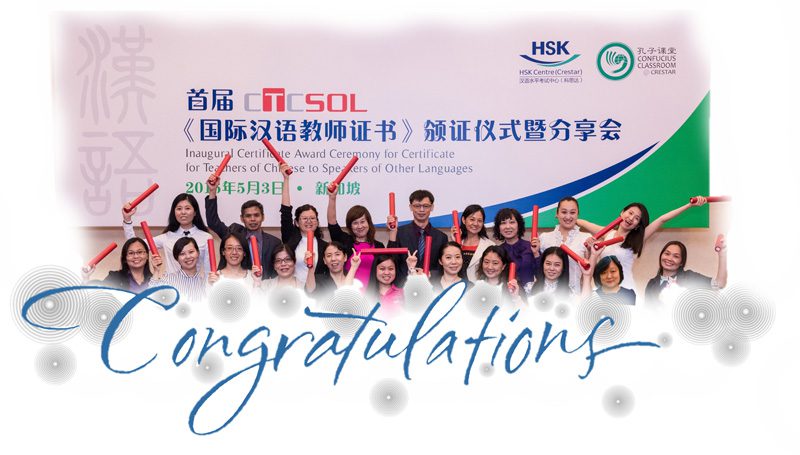
Benefits of Chinese Language Certification
Obtaining Chinese language certification offers professionals a valuable opportunity to demonstrate their linguistic proficiency and cultural understanding in a competitive global market. This certification serves as tangible proof of an individual’s commitment to mastering the Chinese language, showcasing their ability to communicate effectively with Chinese-speaking clients yanzi mandarin, colleagues, and partners.
Moreover, Chinese language certification opens up doors to a myriad of job opportunities in various industries such as international business, finance, tourism, and academia. Employers increasingly value candidates with language skills, particularly in Mandarin, due to China’s growing influence in the global economy.
Professionals with Chinese language certification are better equipped to navigate cross-border business transactions, negotiate deals, and build strong relationships with Chinese counterparts. This not only enhances their career prospects but also contributes to fostering greater collaboration and understanding between different cultures.
Additionally, individuals with Chinese language certification may command higher salaries and have a competitive edge in the job market, as their specialized skills are in high demand.
Improved Cross-Cultural Communication Skills
Enhancing cultural sensitivity through Chinese language certification equips professionals with the tools to navigate diverse cultural landscapes effectively.
This certification not only deepens language proficiency but also fosters an understanding of nuanced cultural nuances, enabling smoother interactions across borders.
The result is a more adept and culturally attuned workforce capable of fostering stronger international relationships.
Cultural Sensitivity Enhancement
Developing cultural sensitivity is essential for professionals seeking to enhance their cross-cultural communication skills in a diverse global environment. Cultural sensitivity enhancement involves acquiring knowledge and understanding of different cultural norms, values, and communication styles to navigate interactions respectfully and effectively.
By recognizing and respecting cultural differences, professionals can avoid misunderstandings, build trust, and foster positive relationships with individuals from diverse backgrounds. This heightened awareness also enables professionals to adapt their communication strategies appropriately, ensuring messages are received and interpreted accurately across cultures.
Incorporating cultural sensitivity training into professional development programs can significantly improve cross-cultural communication competence and contribute to successful collaborations in an increasingly interconnected world.
Effective Language Exchange
Efficient language exchange practices are pivotal in honing cross-cultural communication skills for professionals operating in a globalized landscape. Language exchange facilitates the sharing of knowledge, ideas, and experiences between individuals from different cultural backgrounds, fostering mutual understanding and respect.
Research shows that engaging in language exchange not only improves language proficiency but also enhances intercultural competence and empathy. By actively participating in language exchange programs, professionals can develop the ability to navigate diverse cultural settings with ease, leading to more effective communication and collaboration in international business environments.
Moreover, language exchange helps break down barriers and promotes inclusivity, creating a more harmonious and productive work environment for professionals working across borders.
Expanded Business Opportunities
Professionals certified in Chinese language proficiency open up new avenues for business expansion and global collaboration. With the ability to communicate effectively in Chinese, professionals can tap into the vast market opportunities in China and other Chinese-speaking regions. By understanding the language and culture, certified individuals can build stronger relationships with Chinese partners, clients, and stakeholders, ultimately leading to enhanced business outcomes.
Moreover, Chinese language certification can facilitate smoother negotiations, clearer communication, and improved cross-cultural understanding, all of which are crucial for successful business interactions. It also allows professionals to access a wealth of resources, information, and business networks that would otherwise be challenging to navigate without proficiency in Chinese.
In today’s interconnected global economy, the demand for professionals with Chinese language skills is on the rise. By obtaining certification in Chinese language proficiency, professionals can position themselves as valuable assets in the international business arena, opening doors to expanded business opportunities and paving the way for fruitful collaborations on a global scale.

Increased Job Market Competitiveness
The acquisition of Chinese language certification enhances professionals’ competitiveness in the job market by equipping them with a sought-after skillset that is increasingly valuable in today’s global business landscape. As China continues to solidify its position as a major player in the global economy, proficiency in Chinese has become a highly desirable asset for professionals across various industries. Employers are actively seeking candidates who can bridge the language and cultural gap between their companies and Chinese partners, clients, or suppliers. This demand has created a competitive advantage for individuals with Chinese language certification, as they can facilitate smoother communication, negotiate effectively, and build stronger business relationships.
Furthermore, in sectors such as international trade, finance, technology, and tourism, where interactions with Chinese entities are common, having Chinese language skills can open up new opportunities for career advancement. Professionals with the ability to communicate in Chinese not only demonstrate their adaptability and cultural awareness but also showcase their commitment to personal and professional growth in a diverse and interconnected world.
Professional Development Through Language Skills
Enhancing one’s language skills can significantly contribute to professional development in a globalized business environment. In today’s interconnected world, proficiency in languages such as Chinese can open up numerous career opportunities and enhance one’s competitiveness in the job market. Language skills not only facilitate effective communication but also demonstrate cultural awareness and adaptability, qualities highly valued in the professional landscape.
Professionals with Chinese language proficiency have a distinct advantage in industries with strong ties to China, such as international trade, finance, and technology. Being able to communicate in Chinese allows professionals to build relationships, negotiate deals, and navigate cross-cultural nuances with ease, ultimately leading to business success.
Moreover, language skills can lead to increased job satisfaction and upward mobility within an organization. Employees who can effectively communicate with Chinese counterparts are often entrusted with more responsibilities and opportunities for career advancement. Additionally, language skills can provide professionals with a unique selling point, setting them apart in competitive job markets and broadening their horizons for future career prospects.
Certification Options for Chinese Language
In the realm of language proficiency for career development, exploring certification options for Chinese language proficiency is a strategic step towards validating skills and expanding opportunities in global business environments. Professionals seeking to enhance their Chinese language skills can opt for certifications such as the HSK (Hanyu Shuiping Kaoshi) exams, which are internationally recognized assessments of Chinese language proficiency.
The HSK tests are divided into six levels, providing a structured path for individuals to showcase their language abilities. Additionally, the Business Chinese Test (BCT) evaluates practical language skills needed for conducting business activities in Chinese-speaking environments. For those in specific fields like healthcare or legal professions, industry-specific Chinese language certifications may also be available.
These certifications not only demonstrate language proficiency but also reflect a commitment to professional growth and cultural understanding. Choosing the right certification can open doors to new career opportunities and facilitate effective communication in the increasingly interconnected global market.
Importance of Language Skills in Global Market
Professionals with adept language skills possess a significant advantage in navigating the complexities of the global market landscape. In today’s interconnected world, where businesses operate across borders and cultures, language proficiency is a valuable asset.
Effective communication is essential for building relationships, negotiating deals, and understanding the nuances of different markets. Research shows that companies with employees who are proficient in multiple languages have a competitive edge in international trade. Language skills not only facilitate smoother interactions with clients and partners but also demonstrate cultural sensitivity and respect, which are crucial for successful business transactions.
Moreover, multilingual professionals can access a wider range of job opportunities and career advancement prospects. In a global market where diversity and inclusivity are increasingly valued, language skills can set professionals apart and open doors to new possibilities. Therefore, investing in language proficiency is a strategic decision that can yield significant returns in the dynamic and competitive global marketplace.
Success Stories of Certified Professionals
Professionals who have obtained Chinese language certification have exemplified remarkable achievements and successes in their careers. These certified individuals have not only demonstrated proficiency in the Chinese language but have also showcased a deep understanding of Chinese culture and business practices.
For instance, Sarah, a marketing executive, obtained her Chinese language certification and secured a lucrative deal with a Chinese company, increasing her company’s international market presence significantly. Additionally, John, a financial analyst, leveraged his Chinese language skills to establish strong relationships with Chinese investors, leading to substantial investment opportunities for his firm.
These success stories highlight how Chinese language certification can open doors to new career prospects and enhance professional growth in various industries. Overall, the accomplishments of certified professionals serve as a testament to the value and impact of acquiring proficiency in the Chinese language, paving the way for greater success and advancement in the global market.
Conclusion
In conclusion, Chinese Language Certification for Professionals offers numerous benefits, including:
- Improved cross-cultural communication skills
- Expanded business opportunities
- Increased job market competitiveness
- Professional development
Certification in Chinese language is crucial in today’s global market, showcasing a commitment to personal and professional growth. Certified professionals have a competitive edge and are better equipped to navigate cross-border transactions and build relationships in a globalized business environment.