Chinese Language Certification for Professionals

As professionals navigate the complexities of an increasingly interconnected global economy, the demand for Chinese language proficiency has surged. The acquisition of Chinese Language Certification has become a strategic imperative for individuals seeking to distinguish themselves in the competitive job market. This certification not only validates linguistic capabilities but also signifies a deep understanding of Chinese culture, essential for fostering successful cross-border relationships chinese tuition centre. The benefits of such certification extend far beyond language proficiency and hold the key to unlocking a myriad of opportunities in today’s diverse and dynamic professional landscape.
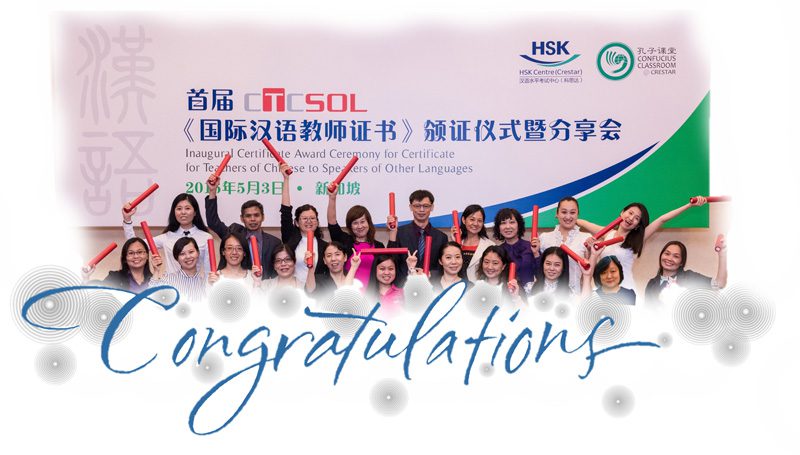
Pioneer batch of 30 Chinese language teachers receive  internationally-recognized teaching certification | HSK Crestar Singapore

Benefits of Chinese Language Certification

Obtaining Chinese language certification offers professionals a valuable opportunity to demonstrate their linguistic proficiency and cultural understanding in a competitive global market. This certification serves as tangible proof of an individual’s commitment to mastering the Chinese language, showcasing their ability to communicate effectively with Chinese-speaking clients yanzi mandarin, colleagues, and partners.

Moreover, Chinese language certification opens up doors to a myriad of job opportunities in various industries such as international business, finance, tourism, and academia. Employers increasingly value candidates with language skills, particularly in Mandarin, due to China’s growing influence in the global economy.

Professionals with Chinese language certification are better equipped to navigate cross-border business transactions, negotiate deals, and build strong relationships with Chinese counterparts. This not only enhances their career prospects but also contributes to fostering greater collaboration and understanding between different cultures.

Additionally, individuals with Chinese language certification may command higher salaries and have a competitive edge in the job market, as their specialized skills are in high demand.

Improved Cross-Cultural Communication Skills

Enhancing cultural sensitivity through Chinese language certification equips professionals with the tools to navigate diverse cultural landscapes effectively.

This certification not only deepens language proficiency but also fosters an understanding of nuanced cultural nuances, enabling smoother interactions across borders.

The result is a more adept and culturally attuned workforce capable of fostering stronger international relationships.

Cultural Sensitivity Enhancement

Developing cultural sensitivity is essential for professionals seeking to enhance their cross-cultural communication skills in a diverse global environment. Cultural sensitivity enhancement involves acquiring knowledge and understanding of different cultural norms, values, and communication styles to navigate interactions respectfully and effectively.

By recognizing and respecting cultural differences, professionals can avoid misunderstandings, build trust, and foster positive relationships with individuals from diverse backgrounds. This heightened awareness also enables professionals to adapt their communication strategies appropriately, ensuring messages are received and interpreted accurately across cultures.

Incorporating cultural sensitivity training into professional development programs can significantly improve cross-cultural communication competence and contribute to successful collaborations in an increasingly interconnected world.

Effective Language Exchange

Efficient language exchange practices are pivotal in honing cross-cultural communication skills for professionals operating in a globalized landscape. Language exchange facilitates the sharing of knowledge, ideas, and experiences between individuals from different cultural backgrounds, fostering mutual understanding and respect.

Research shows that engaging in language exchange not only improves language proficiency but also enhances intercultural competence and empathy. By actively participating in language exchange programs, professionals can develop the ability to navigate diverse cultural settings with ease, leading to more effective communication and collaboration in international business environments.

Moreover, language exchange helps break down barriers and promotes inclusivity, creating a more harmonious and productive work environment for professionals working across borders.

Expanded Business Opportunities

Professionals certified in Chinese language proficiency open up new avenues for business expansion and global collaboration. With the ability to communicate effectively in Chinese, professionals can tap into the vast market opportunities in China and other Chinese-speaking regions. By understanding the language and culture, certified individuals can build stronger relationships with Chinese partners, clients, and stakeholders, ultimately leading to enhanced business outcomes.

Moreover, Chinese language certification can facilitate smoother negotiations, clearer communication, and improved cross-cultural understanding, all of which are crucial for successful business interactions. It also allows professionals to access a wealth of resources, information, and business networks that would otherwise be challenging to navigate without proficiency in Chinese.

In today’s interconnected global economy, the demand for professionals with Chinese language skills is on the rise. By obtaining certification in Chinese language proficiency, professionals can position themselves as valuable assets in the international business arena, opening doors to expanded business opportunities and paving the way for fruitful collaborations on a global scale.

Level 2 Certificate in Chinese as Foreign Language | John Academy

Increased Job Market Competitiveness

The acquisition of Chinese language certification enhances professionals’ competitiveness in the job market by equipping them with a sought-after skillset that is increasingly valuable in today’s global business landscape. As China continues to solidify its position as a major player in the global economy, proficiency in Chinese has become a highly desirable asset for professionals across various industries. Employers are actively seeking candidates who can bridge the language and cultural gap between their companies and Chinese partners, clients, or suppliers. This demand has created a competitive advantage for individuals with Chinese language certification, as they can facilitate smoother communication, negotiate effectively, and build stronger business relationships.

Furthermore, in sectors such as international trade, finance, technology, and tourism, where interactions with Chinese entities are common, having Chinese language skills can open up new opportunities for career advancement. Professionals with the ability to communicate in Chinese not only demonstrate their adaptability and cultural awareness but also showcase their commitment to personal and professional growth in a diverse and interconnected world.

Professional Development Through Language Skills

Enhancing one’s language skills can significantly contribute to professional development in a globalized business environment. In today’s interconnected world, proficiency in languages such as Chinese can open up numerous career opportunities and enhance one’s competitiveness in the job market. Language skills not only facilitate effective communication but also demonstrate cultural awareness and adaptability, qualities highly valued in the professional landscape.

Professionals with Chinese language proficiency have a distinct advantage in industries with strong ties to China, such as international trade, finance, and technology. Being able to communicate in Chinese allows professionals to build relationships, negotiate deals, and navigate cross-cultural nuances with ease, ultimately leading to business success.

Moreover, language skills can lead to increased job satisfaction and upward mobility within an organization. Employees who can effectively communicate with Chinese counterparts are often entrusted with more responsibilities and opportunities for career advancement. Additionally, language skills can provide professionals with a unique selling point, setting them apart in competitive job markets and broadening their horizons for future career prospects.

Certification Options for Chinese Language

In the realm of language proficiency for career development, exploring certification options for Chinese language proficiency is a strategic step towards validating skills and expanding opportunities in global business environments. Professionals seeking to enhance their Chinese language skills can opt for certifications such as the HSK (Hanyu Shuiping Kaoshi) exams, which are internationally recognized assessments of Chinese language proficiency.

The HSK tests are divided into six levels, providing a structured path for individuals to showcase their language abilities. Additionally, the Business Chinese Test (BCT) evaluates practical language skills needed for conducting business activities in Chinese-speaking environments. For those in specific fields like healthcare or legal professions, industry-specific Chinese language certifications may also be available.

These certifications not only demonstrate language proficiency but also reflect a commitment to professional growth and cultural understanding. Choosing the right certification can open doors to new career opportunities and facilitate effective communication in the increasingly interconnected global market.

Importance of Language Skills in Global Market

Professionals with adept language skills possess a significant advantage in navigating the complexities of the global market landscape. In today’s interconnected world, where businesses operate across borders and cultures, language proficiency is a valuable asset.

Effective communication is essential for building relationships, negotiating deals, and understanding the nuances of different markets. Research shows that companies with employees who are proficient in multiple languages have a competitive edge in international trade. Language skills not only facilitate smoother interactions with clients and partners but also demonstrate cultural sensitivity and respect, which are crucial for successful business transactions.

Moreover, multilingual professionals can access a wider range of job opportunities and career advancement prospects. In a global market where diversity and inclusivity are increasingly valued, language skills can set professionals apart and open doors to new possibilities. Therefore, investing in language proficiency is a strategic decision that can yield significant returns in the dynamic and competitive global marketplace.

Success Stories of Certified Professionals

Professionals who have obtained Chinese language certification have exemplified remarkable achievements and successes in their careers. These certified individuals have not only demonstrated proficiency in the Chinese language but have also showcased a deep understanding of Chinese culture and business practices.

For instance, Sarah, a marketing executive, obtained her Chinese language certification and secured a lucrative deal with a Chinese company, increasing her company’s international market presence significantly. Additionally, John, a financial analyst, leveraged his Chinese language skills to establish strong relationships with Chinese investors, leading to substantial investment opportunities for his firm.

These success stories highlight how Chinese language certification can open doors to new career prospects and enhance professional growth in various industries. Overall, the accomplishments of certified professionals serve as a testament to the value and impact of acquiring proficiency in the Chinese language, paving the way for greater success and advancement in the global market.

Conclusion

In conclusion, Chinese Language Certification for Professionals offers numerous benefits, including:

  • Improved cross-cultural communication skills
  • Expanded business opportunities
  • Increased job market competitiveness
  • Professional development

Certification in Chinese language is crucial in today’s global market, showcasing a commitment to personal and professional growth. Certified professionals have a competitive edge and are better equipped to navigate cross-border transactions and build relationships in a globalized business environment.

Pet Grooming


When it comes to pet grooming, you may think it’s just about keeping your pet looking neat and tidy. However, the benefits go far beyond aesthetics pet shop near me open now. From maintaining a healthy coat to fostering a stronger bond with your furry companion, pet grooming plays a crucial role in their overall well-being. But there’s more to uncover about this essential practice that goes beyond the surface.

Pros and cons of being a pet groomer - PetProfessional

Benefits of Pet Grooming

When grooming your pet regularly, you can ensure their coat remains healthy and free from mats and tangles. This process helps in distributing natural oils, keeping the skin moisturized and reducing the risk of irritation. Regular grooming also allows you to inspect your pet’s skin for any abnormalities such as lumps, bumps, or parasites, enabling early detection of potential health issues. By maintaining a grooming routine, you establish a bond with your pet, creating a sense of trust and comfort between the two of you.

Furthermore, grooming your pet helps to decrease shedding, keeping your home cleaner and reducing allergies. It also promotes good circulation and massages the skin, which is beneficial for your pet’s overall well-being. Additionally, regular grooming sessions provide an opportunity for you to check your pet’s ears, eyes, teeth, and nails, ensuring they’re in good condition. By incorporating grooming into your routine, you not only enhance your pet’s physical health but also strengthen your relationship with them.

Essential Grooming Tools

To properly groom your pet, having the right tools is key to maintaining their health and appearance. Essential grooming tools include a high-quality brush suitable for your pet’s coat type. For long-haired breeds, a slicker brush helps remove tangles and prevent matting. Short-haired pets benefit from a grooming glove or rubber curry brush to remove loose fur and promote healthy skin. Nail clippers designed for pets are crucial to prevent overgrowth and potential injury.

Additionally, specialized ear wipes or cleaning solutions help keep your pet’s ears clean and free from infections. A toothbrush and pet-safe toothpaste are essential for maintaining your pet’s dental hygiene. For grooming sensitive areas like around the eyes, a pair of blunt-tipped scissors is handy. Finally, a sturdy yet gentle shampoo formulated for pets ensures a clean and fresh-smelling coat without causing skin irritation.

Brushing Techniques

Proper brushing techniques are crucial for maintaining your pet’s coat health and appearance. When brushing your pet, start by using the right brush for their coat type. For short-haired breeds, a bristle brush works well to remove loose fur and dirt. Long-haired pets may require a slicker brush to detangle and prevent matting. Begin brushing from the head towards the tail, following the direction of hair growth. Be gentle around sensitive areas like the belly and legs.

Ensure you brush all the way down to the skin to prevent tangles and distribute natural oils. If you encounter any mats, carefully work through them with your fingers or a mat splitter to avoid causing discomfort to your pet. Brushing frequency varies by breed, but aim for at least a few times a week to keep the coat healthy.

Regular brushing not only keeps your pet looking neat but also promotes bonding and allows you to check for any abnormalities like lumps, ticks, or skin irritations. Enjoy this grooming time with your furry friend!

Bathing Your Pet

When bathing your pet, it’s essential to ensure the water temperature is comfortable for them.

Choose pet-friendly products that are gentle on their skin and coat.

Lastly, use proper drying techniques to prevent any discomfort or skin issues.

Proper Water Temperature

For the best results when bathing your pet, ensure the water temperature is suitable for their comfort and safety. Lukewarm water, around 100°F (38°C), is generally ideal. Water that’s too hot can scald your pet, causing discomfort and potentially leading to burns. On the other hand, water that’s too cold can be a shock to your pet’s system, causing stress and discomfort.

Before wetting your pet, test the water temperature using your wrist or elbow, just like you’d for a baby. Make sure the temperature is consistent throughout the bath, as sudden changes can startle your pet. Keeping the water temperature just right will help make the bathing experience pleasant and safe for your furry friend.

5 Important Benefits of Grooming Your Pet: Health, Behavior and More | HICC  Pet®

Choosing Pet-Friendly Products

To ensure a successful pet grooming session, it’s crucial to select grooming products that are safe and suitable for your pet’s specific needs. When bathing your pet, opt for shampoos and conditioners specially formulated for animals. Look for products that are free from harsh chemicals, artificial fragrances, and dyes that may irritate your pet’s skin.

Consider your pet’s coat type and any skin conditions they may have when choosing grooming products. For sensitive pets, hypoallergenic options are available to prevent any adverse reactions. Additionally, select brushes and combs designed for your pet’s fur length and texture to maintain a healthy coat.

Prioritize your pet’s well-being by using pet-friendly products that cater to their individual requirements.

Drying Techniques for Pets

After bathing your pet, employing proper drying techniques is essential to ensure their comfort and prevent skin issues. Use a clean, absorbent towel to gently pat your pet dry, starting with their head and working your way down. Avoid rubbing vigorously, as this can irritate their skin.

For pets with longer coats, consider using a blow dryer on a low, cool setting to speed up the drying process. Keep the dryer at a safe distance to prevent overheating or burning your pet. Always monitor the temperature to ensure it remains comfortable for your furry friend.

Nail Trimming Tips

Gently holding your pet’s paw and examining the nails closely will ensure a safe and effective nail trimming session. Start by using proper pet nail clippers or a grinder, whichever you prefer. If your pet has clear nails, you can easily spot the pink quick inside; however, for pets with dark nails, trim small bits at a time to avoid cutting the quick. The quick is a sensitive blood vessel, so be cautious not to nick it as it can cause bleeding and discomfort.

Position yourself and your pet in a comfortable and well-lit area. Hold the paw firmly but gently, and trim the nail at a 45-degree angle, avoiding the quick. If you accidentally cut the quick and it bleeds, apply styptic powder to stop the bleeding. Remember to reward your pet with treats and praise to create a positive association with nail trimming. Regular nail maintenance is essential to prevent overgrowth and potential health issues.

Ear Cleaning Guide

When cleaning your pet’s ears, it’s crucial to maintain proper hygiene to prevent infections. Utilize the appropriate tools for cleaning, such as ear cleaning solution and cotton balls.

Remember to take safety precautions, like avoiding going too deep into the ear canal to prevent injury.

Proper Ear Hygiene

How can you effectively maintain proper ear hygiene for your pet through regular cleaning?

Regular ear cleaning is crucial to prevent infections and maintain your pet’s aural health. Begin by gently examining your pet’s ears for any signs of redness, swelling, or unusual odor. Use a vet-approved ear cleaning solution and a cotton ball to wipe the outer ear canal, avoiding the ear drum.

Never insert anything into the ear canal to prevent injury. Lift your pet’s ear and apply the cleaning solution, massaging the base of the ear for 20-30 seconds to loosen debris. Allow your pet to shake its head to remove excess solution, then gently wipe away any remaining dirt. Repeat the process on the other ear, ensuring both ears are clean and dry to promote healthy ear hygiene.

Tools for Cleaning

To effectively clean your pet’s ears, ensure you have the necessary tools for ear hygiene maintenance. Start by acquiring a good quality ear cleaning solution specifically designed for pets. Additionally, you’ll need some cotton balls or gauze pads to gently wipe away debris and excess solution from your pet’s ears.

A pair of blunt-tipped scissors can come in handy for trimming any overgrown hair around the ear canal entrance. A flashlight may also be useful to help you see inside your pet’s ears and identify any issues. Remember to use these tools carefully and gently to avoid causing any discomfort or injury to your furry friend during the ear cleaning process.

Safety Precautions

For safe and effective ear cleaning, prioritize proper handling techniques and gentle movements to ensure your pet’s comfort and well-being.

Begin by calmly approaching your pet and gently restraining them if needed. Lift the ear flap and examine the ear for redness, swelling, or unusual odor. Avoid inserting anything deep into the ear canal to prevent injury.

Use a veterinarian-approved ear cleaning solution and a cotton ball to wipe away dirt and debris. Be cautious around sensitive areas and stop immediately if your pet shows signs of discomfort.

Remember to reward your pet with treats and praise to create a positive experience. Regular ear cleaning can help prevent infections and maintain your pet’s ear health.

Dealing With Mats and Tangles

When addressing mats and tangles in your pet’s fur, it’s crucial to approach the situation with care and patience to prevent discomfort or skin irritation. Begin by gently working through the mats using your fingers or a specialized comb designed for this purpose. Start at the outer edges of the mat and work your way inward slowly to avoid causing pain to your pet. If the mat is too tight to loosen with your fingers, consider using a detangling spray to help loosen the knots. Always remember to hold the fur close to the skin while detangling to reduce pulling and tugging on your pet’s skin.

For more stubborn mats, it may be necessary to trim them out with scissors. Be extremely cautious when using scissors, ensuring that you only cut the mat and not your pet’s skin. If you’re unsure or uncomfortable doing this yourself, seek assistance from a professional groomer to prevent any accidental injuries.

Regular brushing and grooming can help prevent mats from forming in the future, ensuring your pet’s coat remains healthy and tangle-free.

Grooming Short-Haired Pets

Short-haired pets require regular grooming to maintain the health and shine of their coat. Even though their fur is short, it still needs attention to keep it in top condition. Start by brushing your short-haired pet at least once a week to remove loose fur and distribute natural oils for a glossy coat. Use a soft-bristle brush or a grooming mitt to gently work through their fur, paying extra attention to areas where matting could occur, like behind the ears and under the legs.

Bathing short-haired pets every 2-3 months is usually enough unless they get particularly dirty. Use a mild pet shampoo and warm water, ensuring thorough rinsing to prevent any residue. After bathing, dry them completely to avoid skin issues. Regularly check their ears, eyes, and nails for any signs of infection or overgrowth, addressing these promptly.

Grooming Long-Haired Pets

To maintain the health and appearance of your long-haired pet, regular grooming is essential. Long-haired pets, such as breeds like the Pomeranian, Maltese, or Persian cat, require extra care to prevent matting, tangles, and skin issues. Start by brushing your pet’s coat daily to remove any knots and debris. Use a slicker brush or a comb with rotating teeth to gently work through the fur, starting from the tips and moving towards the skin.

Bathing is also crucial for long-haired pets, but they don’t need it as frequently as brushing. Use a pet-specific shampoo and conditioner to keep the coat clean and soft. Make sure to dry your pet thoroughly after a bath to prevent dampness that can lead to skin problems. Trimming your pet’s hair, especially around the eyes, paws, and sanitary areas, can help maintain hygiene and prevent discomfort.

Regularly check your pet’s ears, eyes, and paws for any signs of infections or injuries. Long-haired pets are prone to collecting dirt and debris in these areas, so keeping them clean is vital for their well-being. By establishing a grooming routine and sticking to it, you can ensure your long-haired pet stays healthy and beautiful.

Conclusion

In conclusion, regular pet grooming is a crucial component of pet care that offers a multitude of benefits for your furry companion.

By investing time in grooming your pet, you aren’t only maintaining their appearance but also ensuring their overall health and well-being.

With the right tools, techniques, and knowledge, you can create a grooming routine that strengthens the bond between you and your pet while keeping them happy, healthy, and looking their best.

Shaping the Future of Materials Science: Universal Testing Machine Applications

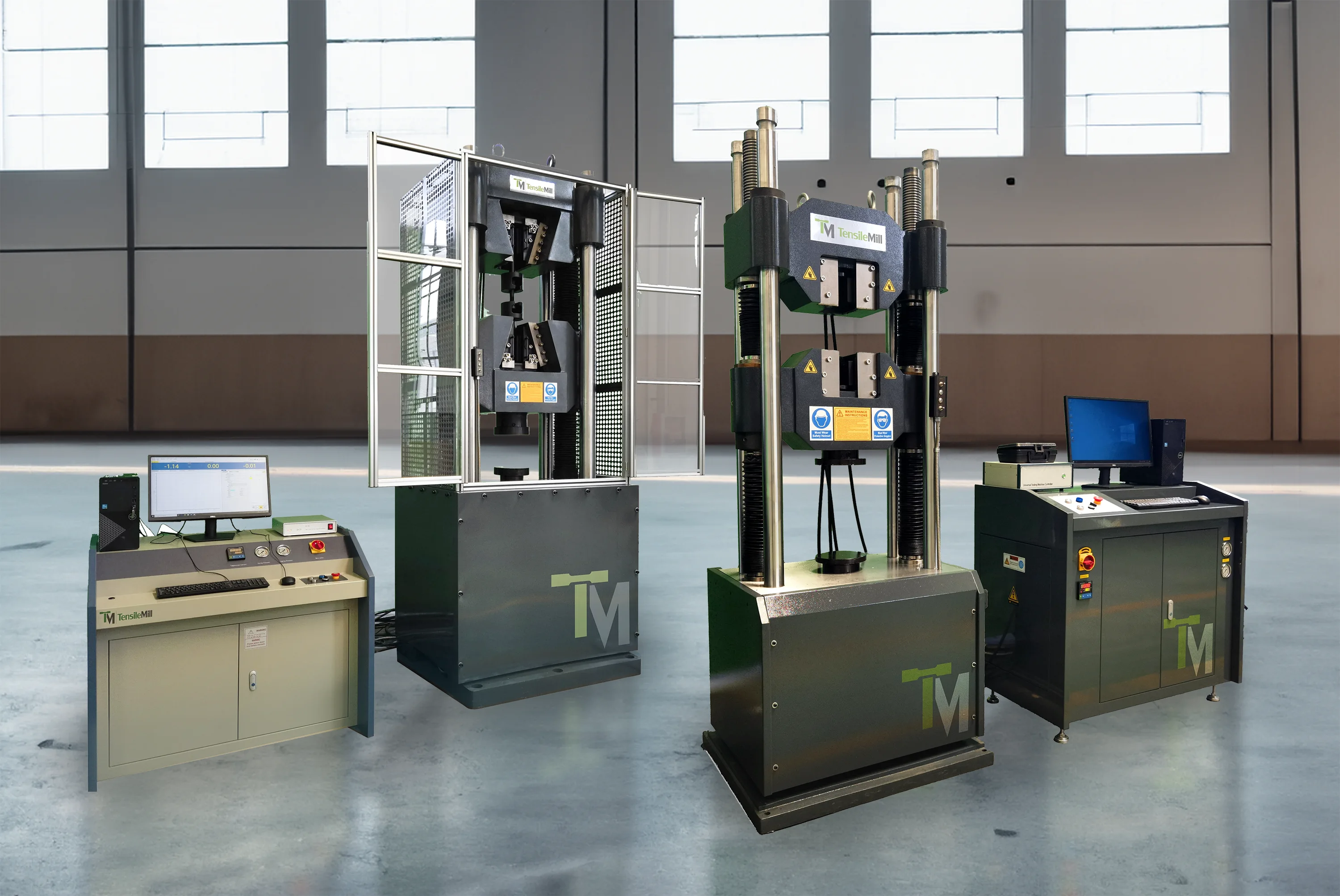
The intricate world of materials science stands on the cusp of transformation, primarily driven by the paramount role of Universal Testing Machines (UTMs) in unraveling the mysteries of material properties. These sophisticated apparatuses have revolutionized the precision and accuracy with which we understand and analyze the behavior of various materials. By delving into the realm of tensile strength evaluation universal testing machine, flexural strength analysis, impact testing applications, and hardness testing techniques, UTMs offer a glimpse into the core of material integrity. However, the true allure lies in the potential future innovations that promise to reshape the landscape of materials testing, paving the way for unprecedented advancements.

Tensile Testing in Research and Development in 2024

Importance of Universal Testing Machines

Universal Testing Machines play a critical role in various industries by accurately assessing the mechanical properties of materials. These machines are essential for quality control, research, and development processes, providing precise data on the behavior of materials under different conditions. By subjecting samples to controlled stress, Universal Testing Machines can measure parameters such as tensile strength, compression strength, elasticity, and more.

The importance of Universal Testing Machines lies in their ability to ensure the safety and reliability of materials used in a wide range of applications. Industries such as aerospace NL TEST, automotive, construction, and manufacturing rely on these machines to determine the durability and performance of materials before integrating them into final products. This helps to prevent potential failures, ensure compliance with industry standards, and optimize the design and production processes.

Tensile Strength Evaluation

Tensile strength evaluation involves the fundamental aspects of tensile testing. This includes analyzing how materials respond to applied forces. By examining material behavior under tension, engineers can gain insights into the mechanical properties of substances.

These insights are crucial for understanding how materials perform in real-world applications, guiding the development of safer and more reliable products.

Tensile Testing Basics

Conducting a tensile test involves subjecting a material to a controlled pulling force to measure its mechanical properties. The test helps determine key characteristics such as tensile strength, yield strength, and elongation at failure.

Tensile strength is the maximum stress a material can withstand while being stretched or pulled before breaking. Yield strength is the stress at which a material begins to deform plastically. Elongation at failure measures the amount a material can stretch before breaking.

These parameters are crucial for understanding how a material will perform under tension, aiding in material selection and design considerations. Tensile testing provides valuable insights into a material’s behavior under stress, guiding engineers in developing reliable and durable products.

Material Behavior Analysis

When evaluating material behavior, particularly in terms of tensile strength, the focus is on understanding how a material responds to applied pulling forces and the resulting mechanical properties measured. Tensile strength evaluation involves subjecting a material to gradually increasing tensile forces until it reaches its breaking point.

By analyzing the stress-strain curve generated during this process, engineers can determine crucial material properties such as ultimate tensile strength, yield strength, and elastic modulus. This data is essential for designing structures and components that can withstand specific loads without failure.

The tensile strength evaluation provides valuable insights into a material’s performance under tension, allowing for the optimization of material selection and design in various industries.

Real-World Applications

In the realm of material science and engineering, the assessment of tensile strength through real-world applications plays a pivotal role in ensuring the structural integrity and reliability of various components and products. Tensile strength evaluation involves subjecting materials to controlled tension until they reach the point of fracture, allowing engineers to determine the maximum load a material can withstand before breaking.

This data is crucial for designing structures like bridges, aircraft, and pipelines, where knowledge of tensile strength helps prevent catastrophic failures. Universal Testing Machines (UTMs) are instrumental in accurately measuring tensile strength, providing insights that drive advancements in material science.

How Universal Testing Machines (UTMs) Operate

Flexural Strength Analysis

Flexural strength analysis provides valuable insights into a material’s ability to withstand bending forces, making it an essential aspect of material testing.

By conducting bend tests, engineers can assess the durability and structural integrity of various materials under different loading conditions.

Understanding the flexural properties of a material is crucial for ensuring its performance and reliability in real-world applications.

Bend Test Benefits

Analyzing the bend test benefits provides valuable insights into the flexural strength of materials under various loading conditions. By subjecting a material sample to a bending force, engineers can assess its resistance to deformation and cracking, crucial for applications where materials undergo bending stresses.

The bend test helps determine the maximum amount of stress a material can withstand before breaking, aiding in material selection for products requiring high durability. Moreover, this test allows for the evaluation of material homogeneity and quality, as any inconsistencies in composition or defects can lead to varying flexural strengths.

Understanding these benefits is essential for optimizing material performance and ensuring structural integrity in diverse industries such as construction, aerospace, and automotive.

Material Durability Assessment

A comprehensive evaluation of material durability involves conducting a detailed analysis of flexural strength to assess the ability of materials to withstand bending forces.

Flexural strength analysis is crucial in determining the structural integrity and performance of materials under various loading conditions.

By subjecting specimens to bending forces, engineers can measure the maximum stress a material can withstand before it fractures. This information is vital for designing components that need to resist bending or flexural stresses in real-world applications.

Understanding the flexural strength of materials helps in predicting their behavior and durability, ensuring that they can withstand the demands of their intended use.

Flexural Properties Importance

An in-depth examination of the importance of flexural properties lies in the critical role they play in determining the structural resilience and performance capabilities of materials subjected to bending forces.

Flexural strength analysis is crucial as it assesses a material’s ability to withstand bending without breaking. This property is especially vital in applications where materials experience bending loads, such as beams, panels, and bridges.

Understanding the flexural properties of a material allows engineers and researchers to predict its behavior under bending stress, leading to the development of more durable and reliable structures.

Impact Testing Applications

Impact testing applications demonstrate the resilience and durability of materials under sudden force or shock. This type of testing is crucial in assessing how a material will respond to sudden impacts, such as collisions or drops, in real-world scenarios.

By subjecting materials to controlled impact forces, engineers can evaluate the energy absorbed before fracture, the toughness of the material, and its ability to withstand sudden loading. Impact testing can help in determining the suitability of materials for various applications, from automotive components to protective gear. It is particularly important in industries where safety is paramount, ensuring that materials can withstand unexpected impacts without catastrophic failure.

Different types of impact tests, such as Charpy and Izod tests, provide valuable insights into a material’s behavior under dynamic loading conditions. Overall, impact testing plays a crucial role in ensuring the reliability and safety of materials in diverse applications.

Hardness Testing Techniques

Demonstrating the resistance of materials to penetration or indentation, hardness testing techniques provide valuable insight into the material’s ability to withstand localized loading conditions. Hardness testing is crucial in various industries, including manufacturing, construction, and engineering, where the durability and reliability of materials are paramount. There are several common methods employed for hardness testing, such as Rockwell, Brinell, Vickers, and Knoop hardness tests, each offering specific advantages based on the material properties being evaluated.

The Rockwell hardness test measures the depth of penetration under specific loads, providing a quick and straightforward assessment of hardness. In contrast, the Brinell test calculates hardness based on the diameter of the indentation left by a hardened steel ball. Vickers and Knoop tests are ideal for measuring very hard materials with precision, using pyramidal-shaped diamond indenters.

Fatigue Testing Advancements

Fatigue testing advancements play a critical role in evaluating the endurance and durability of materials under cyclic loading conditions. By subjecting materials to repeated stress cycles, fatigue testing helps determine how they will perform over time, crucial for industries like aerospace, automotive, and manufacturing.

Advancements in this field have led to more sophisticated testing techniques, such as rotating bending fatigue tests, resonance fatigue tests, and ultrasonic fatigue tests. These methods allow for a more accurate assessment of a material’s fatigue strength, fatigue life, and crack propagation behavior.

Modern fatigue testing machines are equipped with advanced features like servo-hydraulic systems, high-speed data acquisition, and automated testing capabilities. These enhancements not only improve the accuracy and reliability of fatigue tests but also increase testing efficiency. Additionally, the integration of computer simulation software enables researchers to predict fatigue behavior and optimize materials before physical testing, saving time and resources.

Future Innovations in Materials Testing

Materials testing is on the brink of a transformative era with upcoming innovations poised to revolutionize the field. One of the key areas of focus for future advancements in materials testing is the integration of artificial intelligence (AI) and machine learning algorithms. These technologies have the potential to enhance the efficiency and accuracy of testing processes by enabling predictive modeling, real-time data analysis, and automated decision-making.

Additionally, the development of advanced sensor technologies promises to provide more detailed and precise data during testing, allowing for a deeper understanding of material behavior under various conditions.

Furthermore, the integration of robotics and automation into materials testing procedures is expected to streamline testing workflows, reduce human error, and increase the throughput of experiments. This automation not only improves the reliability of test results but also frees up researchers to focus on more complex analyses and research tasks.

Conclusion

In conclusion, Universal Testing Machines play a critical role in shaping the future of materials science through their versatile applications in evaluating material behavior.

From determining tensile and flexural strength to conducting impact and hardness tests, UTMs ensure the safety, reliability, and durability of materials in various industries.

With ongoing advancements in AI, sensor technologies, and automation, UTMs are driving innovation and enhancing the efficiency of material testing processes for a sustainable and progressive future.

Innovative Construction Materials


The realm of construction materials has seen a significant evolution with the emergence of innovative technologies. These advancements have not only transformed the way we build structures but have also redefined the possibilities within the industry compression testing machine function. From self-healing concrete to 3D-printed construction elements, each innovation brings unique benefits that cater to different aspects of construction. As we explore the intricacies of these materials, a deeper understanding of their potential applications and impact on the future of construction emerges.

Top 10 innovative construction materials you should know

Self-Healing Concrete Technology

Innovative Self-Healing Concrete Technology has emerged as a significant advancement in the construction materials industry, offering enhanced durability and longevity to concrete structures. This cutting-edge technology incorporates capsules of healing agents within the concrete mix NL TEST, which are designed to react when cracks form. When damage occurs, these capsules rupture and release the healing agents, allowing the concrete to repair itself autonomously. This self-healing capability not only increases the lifespan of concrete structures but also reduces the need for frequent repairs and maintenance, leading to cost savings and environmental benefits.

The implementation of Self-Healing Concrete Technology has the potential to revolutionize the construction industry by mitigating the impact of cracks and damage caused by various factors such as weathering, loading, and chemical exposure. By enhancing the structural integrity and longevity of concrete elements, this innovative technology promotes sustainability and efficiency in infrastructure development. As research and development in this field continue to progress, Self-Healing Concrete Technology is poised to play a crucial role in shaping the future of construction materials.

Sustainable Recycled Materials

The advancement of construction materials extends beyond self-healing concrete technology to explore the utilization of sustainable recycled materials in enhancing the environmental footprint of infrastructure development. Sustainable recycled materials offer a dual benefit by reducing waste sent to landfills and decreasing the demand for virgin resources, thus lowering carbon emissions associated with traditional construction materials. Materials like recycled concrete aggregates, reclaimed wood, and recycled plastics are being increasingly incorporated into construction projects to promote sustainability.

Recycled concrete aggregates, derived from demolished structures, can be used as a substitute for natural aggregates in concrete production, reducing the need for mining natural resources. Reclaimed wood from old buildings or industrial sites can find new life in construction applications, providing a rustic aesthetic while conserving forests. Additionally, recycled plastics, when processed into construction materials, offer durability and resistance to weathering, presenting a viable alternative to traditional materials.

3d-Printed Construction Elements

Utilizing additive manufacturing techniques, d-printed construction elements are revolutionizing the efficiency and customization potential in modern construction practices. These elements are created layer by layer, offering a level of precision and intricacy that traditional construction methods struggle to achieve. By translating digital designs directly into physical objects, d-printing allows for increased design freedom and complexity without significantly impacting production time.

One of the key advantages of d-printed construction elements lies in their ability to be tailored to specific project requirements, enabling architects and engineers to create unique shapes and structures that would be difficult or impossible to achieve using conventional means. Additionally, the use of d-printed elements can lead to reductions in material waste, as only the necessary amount of material is used in the printing process. This not only contributes to a more sustainable construction industry but also helps streamline the overall construction process by minimizing the need for excess materials and reducing costs associated with waste disposal.

10 Most Commonly Used Construction and Building Materials in India | Go  Smart Bricks

Nanotechnology in Building Materials

With advancements in nanotechnology, building materials are undergoing transformative enhancements at the molecular level, paving the way for unprecedented properties and performance in construction applications. Nanotechnology involves manipulating materials at the nanoscale, typically below 100 nanometers in size. By harnessing the unique properties that arise at this scale, such as increased strength, durability, and conductivity, building materials can be significantly improved.

Nanoparticles, nanotubes, and nanofibers are being incorporated into concrete, steel, and insulation materials to enhance their mechanical strength and thermal properties. For example, adding carbon nanotubes to concrete can increase its tensile strength and reduce cracking. Similarly, incorporating nanoparticles into steel can improve its corrosion resistance and structural integrity.

Moreover, nanotechnology is enabling the development of self-cleaning surfaces, energy-efficient coatings, and even smart materials that can adapt to environmental conditions. These innovations are revolutionizing the construction industry by offering solutions that are not only stronger and more durable but also sustainable and environmentally friendly.

Smart and Responsive Materials

Innovative advancements in construction materials have led to the emergence of smart and responsive materials that exhibit dynamic properties in response to environmental stimuli. These materials are designed to adapt to changing conditions, enhancing the efficiency and sustainability of structures. Smart materials, such as shape-memory alloys, piezoelectric materials, and self-healing concrete, can sense changes in temperature, stress, or moisture levels, and alter their properties accordingly.

Responsive materials, on the other hand, react to specific stimuli by changing their behavior. For example, thermochromic materials can modify their color in response to temperature variations, providing both functional and aesthetic benefits. Hydro-responsive materials swell or shrink in the presence of water, offering applications in moisture-sensitive environments.

The integration of smart and responsive materials in construction holds significant promise for improving building performance, durability, and energy efficiency. By leveraging these innovative materials, architects and engineers can create structures that actively respond to their surroundings, contributing to a more sustainable and intelligent built environment.

Conclusion

In conclusion, the utilization of innovative construction materials has significantly enhanced the durability, sustainability, and efficiency of building structures. These materials include self-healing concrete, sustainable recycled materials, 3D-printed construction elements, nanotechnology, and smart and responsive materials.

These advanced technologies have revolutionized the construction industry by offering environmentally-friendly alternatives, improving building performance, and optimizing energy efficiency. Embracing these advancements will continue to drive progress in the construction sector towards more resilient and sustainable infrastructure.

Ai Powered Automation


AI-powered automation stands at the forefront of technological advancements, reshaping how industries operate and driving unprecedented levels of efficiency. The integration of AI and machine learning has unlocked a realm of possibilities, from autonomous decision-making to predictive analytics, setting the stage for a new era of innovation. As organizations harness the power of AI to streamline processes and optimize performance, the implications for businesses are vast and transformative sap business one price malaysia. But what does this mean for the future of work and the workforce? The impact of AI-powered automation is profound, and the implications are far-reaching, raising crucial questions about job displacement, skills evolution, and the ethical considerations surrounding this technological shift.

What Is Hyper Automation? – BMC Software | Blogs

The Evolution of Automation

The progression of automation over the decades has been marked by a series of transformative advancements in technology and efficiency. From the introduction of mechanized processes in industrial settings to the utilization of robotics and artificial intelligence in modern-day operations, the evolution of automation has revolutionized the way tasks are accomplished.

Early automation systems focused on repetitive and labor-intensive tasks aspert, aiming to streamline production processes and improve overall productivity. As technology advanced, the integration of AI and machine learning algorithms enabled systems to adapt, learn, and make decisions autonomously, further enhancing operational capabilities.

Automation has not only increased efficiency but has also enabled organizations to optimize resource utilization, reduce human error, and enhance safety in various industries. The ability to automate routine tasks frees up human capital to focus on more strategic and creative endeavors, driving innovation and growth.

As automation continues to evolve, the possibilities for increased productivity and operational excellence are limitless, offering a pathway to a future where efficiency and freedom coexist harmoniously.

Enhancing Operational Efficiency

To enhance operational efficiency, businesses can streamline processes effectively by identifying and eliminating bottlenecks through AI-powered automation.

This allows for the optimization of resource utilization, ensuring that tasks are completed with maximum productivity and minimal waste.

Streamlining Processes Effectively

Enhancing operational efficiency through streamlining processes is a critical objective in leveraging AI-powered automation. By implementing AI algorithms and machine learning models, organizations can identify bottlenecks, automate repetitive tasks, and optimize workflows. Streamlining processes effectively leads to reduced operational costs, improved productivity, and enhanced decision-making capabilities.

AI-powered automation can analyze vast amounts of data in real-time, enabling businesses to make data-driven decisions promptly. Additionally, it enhances the accuracy and consistency of tasks, minimizing errors and rework. Through intelligent process automation, organizations can streamline their operations, allocate resources more efficiently, and stay agile in a constantly evolving business landscape.

Embracing AI technology to streamline processes is key to unlocking competitive advantages and driving sustainable growth.

Optimizing Resource Utilization

Optimizing resource utilization is a fundamental aspect of enhancing operational efficiency through AI-powered automation. By leveraging AI algorithms to analyze data and predict demand, organizations can allocate resources more effectively, reducing waste and maximizing productivity.

AI can dynamically adjust resource allocation based on real-time insights, ensuring that the right resources are available at the right time. Through automation, tasks such as inventory management, workforce scheduling, and equipment maintenance can be optimized to meet demand fluctuations efficiently.

This proactive approach not only streamlines operations but also improves overall performance and customer satisfaction. By fine-tuning the utilization of resources through AI, organizations can achieve greater operational efficiency and competitive advantage in today’s fast-paced business environment.

AI in Customer Experience

AI-driven technologies are reshaping the landscape of customer interactions, revolutionizing how businesses engage with their clientele. By leveraging artificial intelligence in customer experience, organizations can enhance personalization, streamline processes, and deliver proactive support. AI algorithms analyze vast amounts of customer data to predict behaviors and preferences accurately. This enables companies to offer tailored recommendations, anticipate needs, and provide a seamless customer journey across multiple touchpoints.

Chatbots powered by AI are increasingly used to provide instant responses to customer queries, improving response times and overall satisfaction. Machine learning algorithms further refine these interactions over time, continuously learning from customer feedback to optimize responses. Through sentiment analysis, AI can also gauge customer emotions, allowing businesses to address concerns promptly and empathetically.

Moreover, AI assists in automating routine tasks, freeing up human agents to focus on more complex customer issues that require a personal touch. Overall, integrating AI into customer experience strategies helps businesses foster stronger relationships, drive loyalty, and gain a competitive edge in today’s dynamic market.

Leveraging Machine Learning Processes To Revolutionize The Adoption Of AI -  AI Next

Transforming Manufacturing Processes

The integration of AI in manufacturing processes promises to revolutionize the industry by enhancing production efficiency, optimizing quality control measures, and streamlining inventory management.

These advancements are poised to drive significant improvements in operational effectiveness, cost savings, and overall competitiveness for manufacturers.

Enhanced Production Efficiency

With the integration of advanced AI technologies, manufacturing processes are undergoing a profound transformation towards enhanced production efficiency.

AI-powered automation is revolutionizing the manufacturing industry by optimizing operations, reducing downtime, and enhancing overall productivity.

Through the utilization of AI algorithms and machine learning capabilities, manufacturers can analyze vast amounts of data in real-time to identify inefficiencies, streamline workflows, and predict maintenance needs before breakdowns occur.

This proactive approach minimizes disruptions, improves resource allocation, and ultimately leads to cost savings.

By harnessing the power of AI to automate routine tasks, manufacturers can focus on strategic decision-making and innovation, driving continuous improvement and competitiveness in the global market.

The era of enhanced production efficiency through AI is here, offering limitless possibilities for manufacturing optimization.

Quality Control Optimization

Optimizing quality control processes in manufacturing through cutting-edge technological advancements is essential for ensuring product excellence and customer satisfaction. By implementing AI-powered automation, manufacturers can enhance quality control by detecting defects with greater accuracy and efficiency.

AI algorithms can analyze vast amounts of data from production processes to identify patterns and anomalies, enabling real-time adjustments to ensure consistent product quality. Automated inspection systems equipped with AI can streamline the quality control process, reducing human error and increasing overall production efficiency.

Additionally, predictive maintenance powered by AI can preemptively address equipment issues, minimizing downtime and ensuring optimal performance. Embracing AI-driven quality control optimization not only elevates product standards but also fosters a competitive edge in the market.

Streamlined Inventory Management

Advancing beyond quality control optimization, the integration of AI-powered automation in manufacturing processes revolutionizes inventory management by streamlining operations and enhancing efficiency. By utilizing AI algorithms, manufacturers can predict demand fluctuations, optimize stock levels, and automate replenishment processes. This real-time data analysis allows for proactive decision-making, reducing stockouts and minimizing excess inventory.

AI automation also enables intelligent warehouse management, optimizing storage space and enhancing picking and packing processes. Through automated tracking and monitoring, businesses can achieve higher accuracy in inventory counts, reducing errors and improving overall productivity.

The streamlined inventory management facilitated by AI-powered automation not only saves time and resources but also ensures that manufacturing operations run smoothly and efficiently.

Optimizing Supply Chain Management

Enhancing efficiency in supply chain management through AI-powered automation is revolutionizing the industry. AI technologies are optimizing various aspects of the supply chain, from demand forecasting and inventory management to logistics and distribution. By leveraging machine learning algorithms, AI can analyze vast amounts of data to predict consumer demand more accurately, leading to optimized inventory levels and reduced stockouts.

Furthermore, AI enables real-time tracking of shipments, allowing for proactive issue resolution and improved delivery timelines. Predictive analytics helps in identifying potential bottlenecks in the supply chain, enabling companies to streamline operations and enhance overall performance. Autonomous vehicles and drones are also being integrated into supply chain processes, enabling faster and more efficient transportation of goods.

Impact on Financial Services

The integration of AI-powered automation in supply chain management has paved the way for significant transformations in the financial services sector as well. Financial institutions are leveraging AI technologies to streamline processes, enhance decision-making, and improve customer experiences.

AI automation is revolutionizing tasks such as fraud detection, risk assessment, investment analysis, and customer service in the financial industry. By analyzing vast amounts of data in real-time, AI systems can detect unusual patterns that may indicate fraudulent activities, thus bolstering security measures. Moreover, AI algorithms can assess risks more accurately by evaluating numerous variables swiftly, enabling better-informed decisions.

In terms of investment analysis, AI-powered automation can provide insights into market trends, optimize portfolios, and even execute trades autonomously. Additionally, virtual assistants and chatbots powered by AI enhance customer interactions by offering personalized recommendations and resolving queries promptly.

The integration of AI in financial services is reshaping the industry landscape, driving efficiency, accuracy, and innovation.

Implementing AI Automation Strategies

Implementing AI automation strategies involves orchestrating complex algorithms to optimize operational processes and drive organizational efficiency in various industries. By integrating AI technologies into business operations, companies can streamline workflows, reduce manual errors, and enhance decision-making processes. One key aspect of implementing AI automation strategies is identifying the specific tasks or processes that can benefit most from automation. This involves conducting a thorough analysis of existing workflows and determining where AI solutions can add the most value.

Moreover, successful implementation of AI automation strategies requires a strategic approach that aligns with the organization’s goals and objectives. It is essential to define clear KPIs and metrics to measure the effectiveness of AI automation solutions accurately. Additionally, ongoing monitoring and evaluation are crucial to ensure that the AI algorithms continue to perform optimally and deliver the desired outcomes.

Conclusion

In conclusion, AI-powered automation is revolutionizing industries by optimizing processes, enhancing efficiency, and transforming customer experiences.

From manufacturing to financial services, AI automation is reshaping operations and delivering value in today’s dynamic business landscape.

By integrating AI and machine learning, organizations can achieve cost reductions, improved productivity, and enhanced accuracy.

The future of automation lies in leveraging AI technologies to drive innovation and strategic endeavors across various sectors.

Postpartum Health: Nurturing After Childbirth

In the delicate period following childbirth, prioritizing postpartum health is crucial for both physical and emotional well-being.

This article explores the importance of postpartum self-care goodmorningday, providing insights into physical healing techniques, mental health support, nurturing nutrition tips, and the significance of building a strong support system during this transformative phase.

By nurturing oneself after childbirth, individuals can enhance their recovery, promote overall wellness, and embrace the journey of motherhood with confidence and resilience.

After Delivery Care Home Nurse | CareXperts Home Nursing Dubai

Importance of Postpartum Self-Care

During the postpartum period, prioritizing self-care is essential for the physical and emotional well-being of new mothers. This phase of motherhood can be physically demanding, emotionally challenging, and mentally exhausting. Taking time to care for oneself is not a luxury but a necessity.

Simple acts like getting adequate rest, nourishing the body with healthy food, staying hydrated, and engaging in gentle exercises can significantly impact a mother’s recovery and overall mood. Additionally, seeking support from loved ones, joining postpartum support groups, and communicating openly about feelings are crucial aspects of self-care.

Physical Healing Techniques

Prioritizing physical healing techniques in the postpartum period is crucial for new mothers to promote recovery and overall well-being. Engaging in gentle exercises like postpartum yoga or walking can help rebuild strength and stamina gradually. Additionally, practicing pelvic floor exercises, such as Kegels, aids in toning the pelvic muscles weakened during childbirth.

Incorporating nutritious meals rich in vitamins, minerals, and proteins supports the body’s healing process. Adequate hydration is also essential for physical recovery. Seeking regular check-ups with healthcare providers ensures that any postpartum physical concerns are addressed promptly.

Embracing self-care practices like adequate rest and relaxation further accelerates the healing journey for new mothers, fostering a healthy postpartum experience.

Mental Health Support

To effectively address mental health needs postpartum, new mothers should consider seeking professional guidance and support.

The adjustment to motherhood can bring about a range of emotions, from joy and fulfillment to stress and anxiety. It’s essential for new mothers to prioritize their mental well-being during this significant life transition.

Seeking therapy or counseling can provide a safe space to express feelings, manage stress, and learn coping strategies. Additionally, joining support groups with other new mothers can offer a sense of community and understanding.

What I Wish I'd Said to the Nurse Who Cared for My Baby | Pampers

Nurturing Nutrition Tips

For new mothers, maintaining a balanced and nourishing diet is essential for postpartum recovery and overall well-being. Focus on nutrient-dense foods like fruits, vegetables, whole grains, lean proteins, and healthy fats to support your body’s healing process.

Incorporate foods rich in iron, calcium, and omega-3 fatty acids to replenish nutrient stores depleted during pregnancy and childbirth. Stay hydrated by drinking plenty of water throughout the day to aid in milk production and promote optimal functioning of bodily systems.

Avoid highly processed foods, sugary snacks, and excessive caffeine. Listen to your body’s hunger and fullness cues, and eat regular meals and snacks to sustain energy levels. Consulting with a healthcare provider or a nutritionist can provide personalized guidance for your specific dietary needs during this crucial postpartum period.

Building a Postpartum Support System

Creating a reliable and compassionate postpartum support system is crucial for new mothers as they navigate the challenges and joys of the early postpartum period.

This support network can include partners, family members, friends, healthcare providers, and postpartum doulas who offer emotional, physical, and practical assistance.

Communicating openly with loved ones about needs and boundaries is essential in establishing a supportive environment.

Online communities and local support groups can also provide valuable resources and connections for new mothers seeking understanding and guidance.

Remember, it’s okay to ask for help and prioritize self-care during this transformative time.

Building a strong postpartum support system can significantly impact a mother’s well-being and adjustment to her new role.

Conclusion

In conclusion, postpartum health is a crucial aspect of the childbirth journey that requires attention to physical healing, mental health, nutrition, and building a support system.

By prioritizing self-care and seeking proper resources, new mothers can nurture themselves after childbirth and promote overall well-being.

It is essential to recognize the importance of postpartum care in order to ensure a healthy recovery and adjustment to motherhood.

The Benefits of Reflexology

Reflexology is a type of massage that involves applying pressure to points on your
hands, feet, and ears massage kuala lumpur. These points are believed to correspond with different parts of
your body, and massaging them can help ease stress and pain and promote overall
health.

Foot Massage: Benefits, Types, & Techniques for Healthy Feet – MedMassager
A reflexology session can last for 30 or 60 minutes Urban Bliss, and a professional massage
therapist will usually use oil or lotion to prevent your feet from getting too dry. Your
therapist will begin by smoothing a small amount of oil or cream onto your feet, then
massage your feet with gentle to moderate pressure using a variety of techniques.
They may focus on specific areas of the foot that correspond with certain trouble
spots, but they’ll also work to relax and energize you by stimulating a number of
different nerve pathways throughout your body.
Most people who have had a reflexology massage will say that it is relaxing, and it
can be very helpful for those with chronic pain or a serious illness. However, there
are some conditions and medical issues that shouldn’t be treated with reflexology
unless your doctor approves it.
If you have cancer, your doctor might advise you to avoid reflexology until after your
treatment is over. Even then, it is a good idea to check with your oncologist before
receiving a reflexology massage, as there may be pressure points that should be
avoided or applied very lightly. In addition, if you have any other health conditions,
your doctor might recommend that you only get a reflexology massage from a
trained or experienced professional.

Reflexology Services In Downtown Vancouver – Enhancearts
The #1 Benefit of Reflexology
One of the main benefits of reflexology is that it encourages relaxation, which can
be very important for those who are dealing with serious illnesses. In fact, studies
have found that reflexology can significantly reduce anxiety in patients with heart
disease. This is likely because of the boost to circulation and metabolism that comes
from a reflexology session, which can improve your ability to cope with your illness.
Another major benefit of reflexology is that it can promote healthy sleep patterns.
This is because it can reduce stress and anxiety, which can disrupt your Circadian
rhythm. It can also help relieve pain and discomfort that might be keeping you from
sleeping well.
There are a few different theories about how reflexology works. One is that it
stimulates the neural pathways in your brain, which helps reduce stress and anxiety.
It’s also thought that reflexology can help with pain and discomfort by releasing
endorphins, the body’s natural painkillers.
Reflexologists believe that stimulating pressure points on the feet and hands can
unblock energy flow, allowing your body to heal itself. This is why many people feel
more energized after a reflexology session. Despite these claims, there is no
scientific evidence that reflexology can treat any specific ailments. However, many
people find that it helps them to manage their stress and improves their general
well-being. This makes it an excellent choice for those who are seeking an
alternative way to boost their energy levels.

How to Install Security Cameras 

A high profile cctv installation Singapore can be a great deterrent to thieves. Often, you can see burglars and other would-be criminals prowling the property before they can steal your prized possessions. But before you install the camera, you need to make sure you have the right angle, as well as the best positioning to catch them at their worst. 

The first thing you should do is decide where you want to install the cameras. Typically, you should place them at strategic locations, such as a front door, hallway, or patio. Depending on your area, some areas may be illegal to record without permission, so it’s best to check local laws. 

Once you’ve decided where you want to install the cameras, you’ll need to get the cables and mounts ready. You can buy a kit that includes all the accessories you need for the job. However, if you don’t have any experience with installation, it may be better to hire someone to do it for you. 

To get started, you’ll need a drill and a template for the holes. The drill should match the screws that come with the cctv camera Singapore. If you don’t have a drill, you can use an adhesive hook for mounting. Using an adhesive hook makes it easy to mount the camera to a wall. 

For wired installations, you’ll need to run camera cables through the wall. Make sure you mark the ends of each cable to identify which ones go where. Alternatively, you can use cable clips and a staple gun to attach the cable. Secure the cable with a combination lock. 

If you’re installing an outdoor security camera, you’ll need to install it at a high enough height to prevent theft. Generally, the camera should be at least eight feet above the ground. When placing the camera, you should angle it to capture indirect light. Also, be sure the camera doesn’t face the sun. That’s because the camera won’t work properly if it’s pointed at the sun. 

Before you begin, you need to decide whether you want a wireless or wired installation. Wireless security cameras are convenient because they don’t require messy wires. Nevertheless, you will need to connect the camera to a Wi-Fi network. Most of these cameras also need batteries. 

In addition, you’ll need to attach the camera to an input port. This can be done using a Cat 5/6 Ethernet cable or a PoE cable. If you choose to install a PoE security camera, you’ll also need to connect it to your router. 

After you’ve finished installing the camera, test it to ensure that it works. If you need to, you can run a live feed through it to make sure it’s working. It’s also a good idea to test the network clips to make sure they’re all connected. 

You should also make sure you don’t confuse a wireless camera with a wired one. In some parts of the country, it’s illegal to record video and audio at the same time.

How to Win Coin Games

How to Win Coin Games
You may be wondering how to win coin games erp software Malaysia. The good news is that there are many ways to
do it. These include learning the tricks of the trade, understanding the mechanics of coin
flipping, and understanding the WINkLINK blockchain. With a few of these tricks, you can easily
win these games and get the money you deserve. Read on to learn more! After all, it is easier
said than done, right? Let’s get started!

What are the odds of winning in quarter pusher casino games -  CalculateMyChances
The first thing you should understand is that these games are not real erp software solution. You’ll have to answer
multiple questions to win. The correct answer will earn you 1,000 coins. This is true for other
games, too, but it’s not as important as in the coin games. The real money is in the answers,
which are not based on real life. Hence, winning these games is crucial. You may be surprised
by how easy these games are to beat!

YouTube rabbit holes to suck up your free time | Popular Science

Finding a Beauty Tool For Skincare That Meets Every Budget

Finding a Beauty Tool For Skincare That
Meets Every Budget
You can find a beauty tool for skincare that meets every budget. You can buy the latest high-tech
devices or more affordable tools for hair styling and makeup organization. One gift that can
benefit many women is a gua sha tool. This ancient Chinese medicine technique is said to
improve circulation, complexion, and reduce signs of aging 皱纹. It is also a relatively inexpensive
beauty tool that is a great gift for any woman. There are a wide range of prices and quality of
these tools, so you can choose a gift that suits any budget.

21 Best Drugstore Skin-Care Products of 2022 | Beauty Awards | Glamour
Microneedling
Microneedling is a procedure where hundreds of tiny needles are inserted in the skin. These
punctures stimulate collagen and elastin production, resulting in smoother face lifting tools, more even skin.
Microneedling has been used as a beauty tool since 1995. It is now available from
dermatologists, who prefer it for its smoothing and tone-evening effects. Thousands of videos
and books document the process. Dermatologists like Mona Gohara and Macrene Alexiades
have conducted extensive research into the effectiveness of microneedling.
SolaWave
The SolaWave is a low-cost, multi-function beauty tool that combines LED light therapy and
microcurrent technology to improve the skin’s health. Unlike traditional beauty tools, the
SolaWave does not have any buttons. Instead, the device automatically activates when you
place it on your face. It charges via a micro-USB port on the handle. Currently, the SolaWave
comes in green, blue, and pink.
Face rollers
Whether you prefer to cleanse your skin with facial cleansing brushes, facial rollers, or derma
rollers, there are some things you should know. Although these tools are meant to help with
skincare, unwashed ones can take on the same bad effect as other makeup brushes. Also, if you
do not regularly wash your tools, bacteria can get onto them and reverse their effects. For this
reason, you should wash them after every use, otherwise they may become contaminated and
ineffective.

8 Reasons Your Skin Care Products Aren't Working
BodyWare Pro
The BodyWare Pro beauty tool from Dr. Dennis Gross Skincare features a flexible pad with LED
lights. The technology helps you clear up wrinkles, reduce dark spots, and calm joint and muscle
pain. The tool emits tiny currents to oxygenate your skin, which is good for both acne-prone and
oily skin. You can use the device daily, for up to 14 minutes each session, and it comes with
multiple electrodes to target different zones of your face.

Lightstim
This beauty tool is a small device that emits a blue light. The blue light is purported to reduce
redness and bacteria that cause acne. The sonic pulsations stimulate blood circulation in the
area. Some reviewers have seen positive results within a few weeks. However, others have not
seen such immediate results. Lightstim is not for everyone, and there are some drawbacks.